
THYROID GLAND
Last updated: over 1 year ago

The thyroid gland is located beneath the larynx, in front of the trachea, and has a butterfly-like shape. It plays a vital role in producing hormones that impact various body systems, including the nervous, digestive, reproductive, and cardiovascular systems.
The main function of the thyroid gland is to produce iodine-containing hormones: triiodothyronine (T3), thyroxine (T4), and the protein hormone calcitonin. These hormones regulate the function of nearly all organ systems, controlling the speed of metabolism and various bodily processes.
Symptoms of Thyroid Disorders
Endocrine disorders often present with subtle symptoms, which may be perceived as mild discomfort. However, it is important to pay attention to the following signs: • Instability in blood pressure • Neurological issues • Unexplained weight gain or loss • Insomnia or excessive sleepiness • Excessive sweating • Tremors or a sensation of cold • Digestive disturbances • Irritability • Memory problems
Testing for Thyroid Function
The primary test for assessing thyroid function is measuring Thyroid-Stimulating Hormone (TSH) levels in the blood. Additional tests, such as TSH, T3, and T4, are essential for an accurate diagnosis and for distinguishing between primary and secondary thyroid dysfunctions. Prevention and Care Regular visits to a healthcare provider and preventive diagnostic procedures are essential for early detection and management of thyroid conditions.
These may include: • Consultation with a doctor • Ultrasound examination • Hormonal testing • Antibody testing
Early diagnosis, timely treatment, and routine screenings are the most effective ways to address thyroid-related issues and maintain overall health.
Similar Posts

Hemoglobin
Hemoglobin plays a key role in the exchange of oxygen and carbon dioxide between cells, making the maintenance of normal hemoglobin levels vital for overall health.

Antibiotic Resistance
Frequent and unnecessary use of antibiotics allows bacteria to develop "defensive" mechanisms.
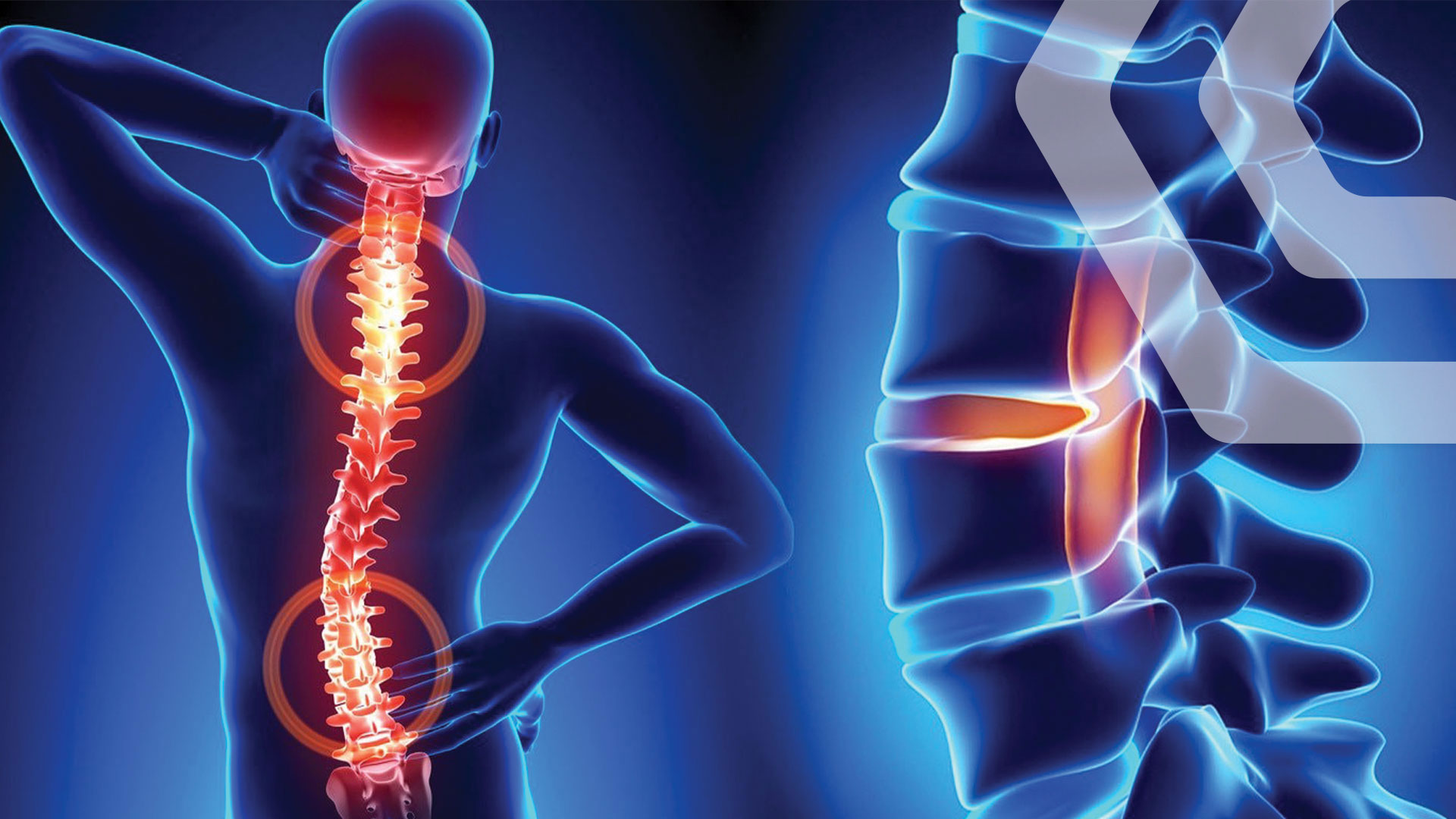
Osteochondrosis
Several factors contribute to the development of osteochondrosis, and it has become increasingly common in younger individuals.