
THE IMPORTANCE OF A THERAPIST IN MAINTAINING HEALTH
Last updated: 5 months ago

Caring for your health is an ongoing process. This includes maintaining both mental and physical well-being, as well as seeking timely medical services.
In this process, the therapist—your personal doctor—plays a crucial role. A therapist is the first point of contact in healthcare when we experience general symptoms (such as headaches, stomach pain, loss of appetite, irritability, fatigue, and more). Therapists possess broad knowledge in areas such as immunization, internal organs, routine check-ups, and various pathologies. Therefore, it is within their expertise to identify the connection between your symptoms and the processes occurring in your body.
If you experience any symptoms, it is important to consult your personal doctor promptly.
The therapist will: • Gather your medical history • Review your medical records • Perform a physical examination • If necessary, recommend relevant laboratory or instrumental tests • Additionally, they may refer you to a specialist in a specific field if needed.
Similar Posts
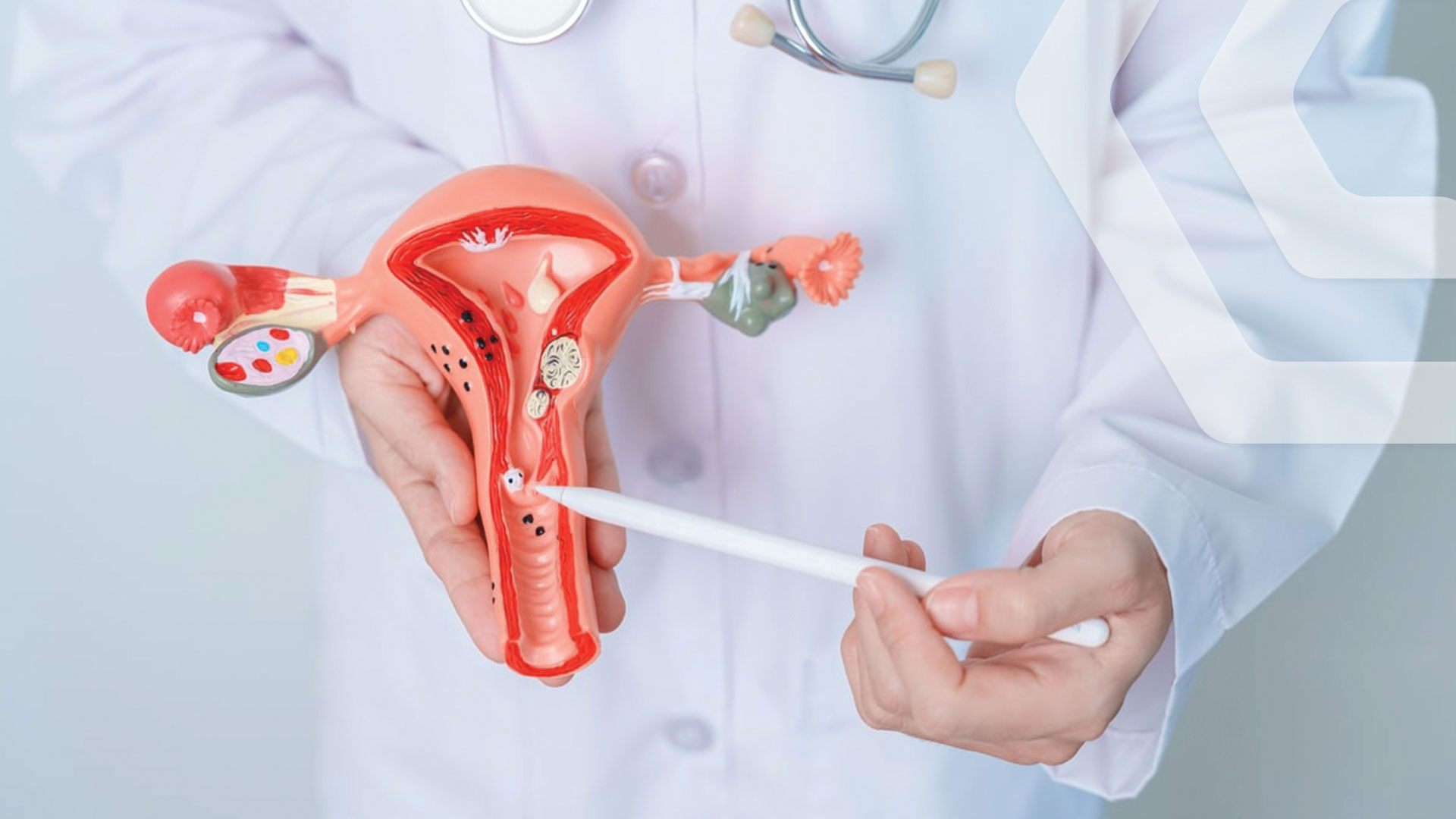
Genital Fungal Infection
Vaginal fungal infection (candidiasis) is the most common fungal disease affecting the genital organs.
General Guidelines for Blood Tests
For optimal test result we recommend submitting any analysis in the first half of the day, ideally on an empty stomach.
Calcium and Bone Health
Calcium is most commonly associated with strong bones.