
WHAT IMPACT DOES PROLACTIN HAVE ON OUR HEALTH?
Last updated: 5 months ago
Prolactin is a hormone that plays a significant role in the reproductive health of both men and women, metabolism, and immune system function.
Maintaining normal prolactin levels is essential for overall hormonal balance.
In women, prolactin affects the proper functioning of the uterus and is crucial for initiating and maintaining lactation.
Prolactin is produced by the pituitary gland in the brain, and its levels naturally rise during breastfeeding. Elevated levels can also result from certain medications, psychological stress, frequent alcohol consumption, intense physical activity, or sleep deprivation. Other causes of high prolactin levels may include pituitary adenoma, thyroid dysfunction, and chronic kidney disease.
High prolactin levels can lead to a range of issues, such as infertility, irregular or absent menstrual cycles, headaches, vision problems, and unexpected milk production outside of lactation. In men, elevated prolactin levels can lead to reduced libido and sexual dysfunction.
If you experience any of these symptoms, it is important to consult with an endocrinologist for a thorough assessment. Based on your medical history, your doctor may recommend a prolactin blood test.
As prolactin levels fluctuate throughout the day, the test is usually conducted in the morning, 3-4 hours after waking. The patient should be fasting and in a calm state. It is also advisable to avoid physical or emotional stress, fatty foods, and alcohol for 24 hours before the test.
Your specialist will determine the optimal timing for the test and, based on the results, will recommend appropriate treatment. Stay informed about your health and take proactive steps toward a balanced, healthy life.
Similar Posts
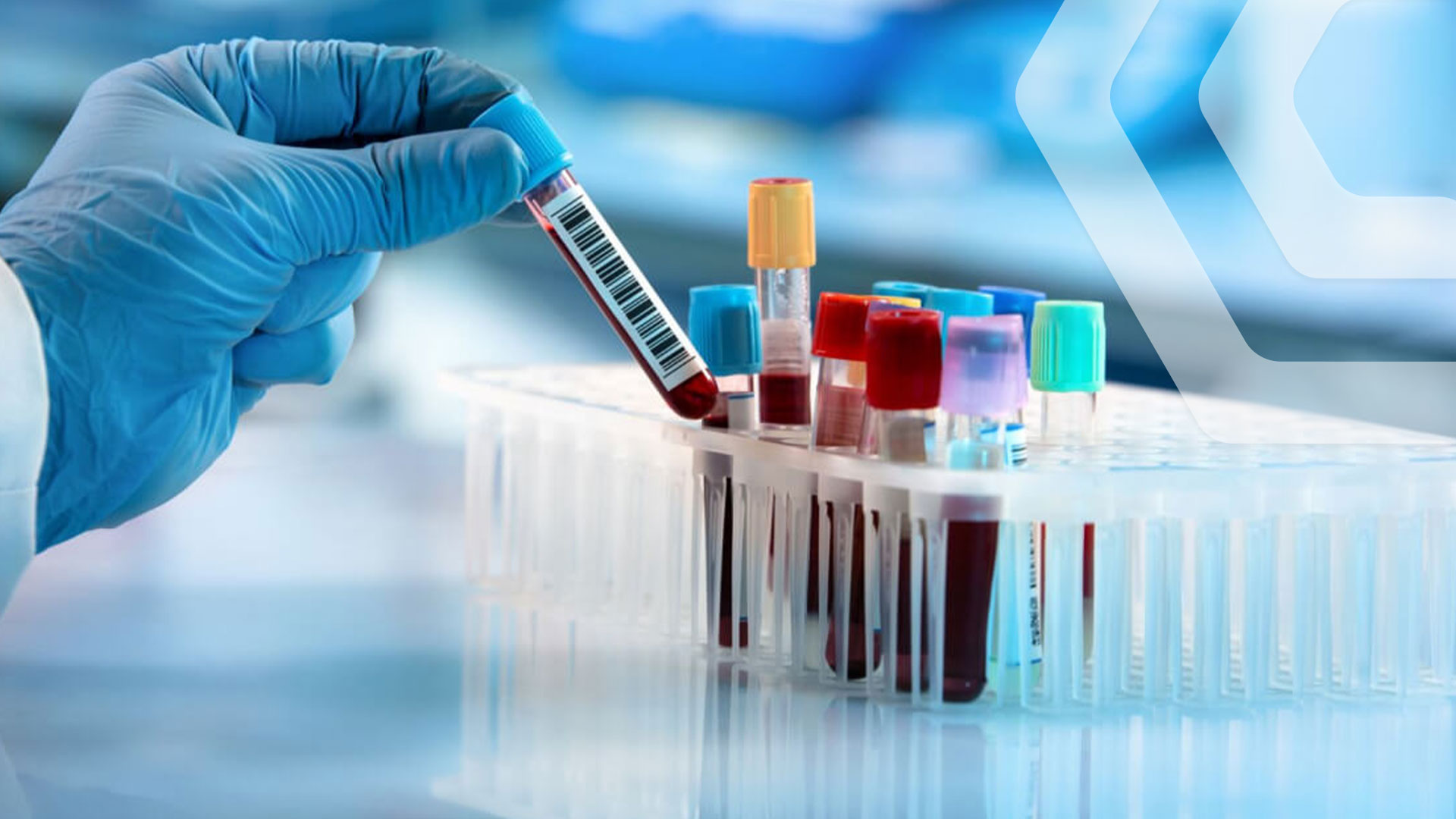
General Guidelines for Blood Tests
For optimal test result we recommend submitting any analysis in the first half of the day, ideally on an empty stomach.
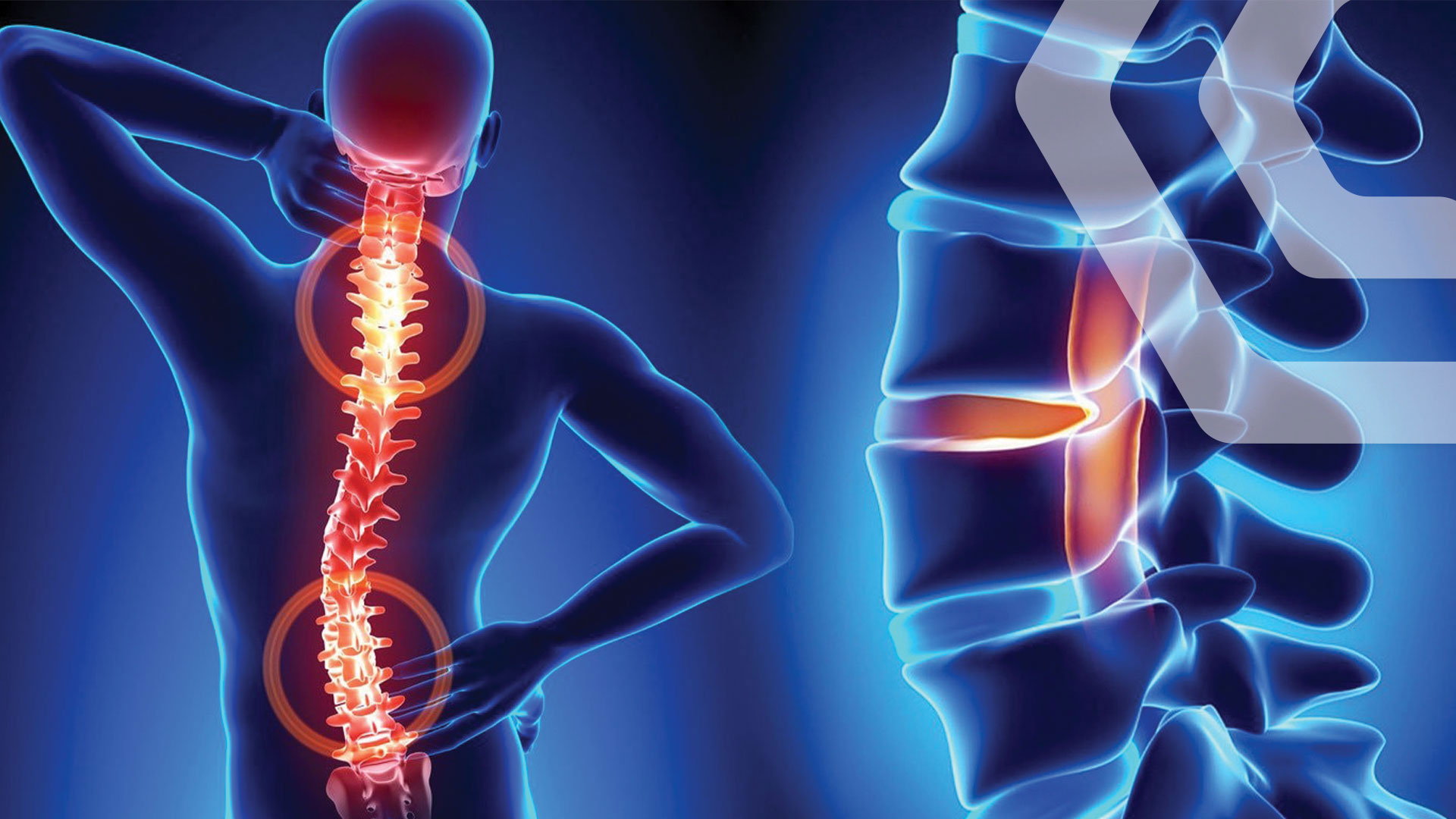
Spinal and Limb Deformities
Special attention is needed for children who were in abnormal positions during pregnancy.

Sexually Transmitted Diseases
Preventing sexually transmitted infections includes using barrier contraceptives, maintaining good hygiene practices, getting vaccinated when applicable, seeking medical attention promptly, and having necessary preventive screenings.