
HEPATITIS C
Last updated: over 1 year ago

Hepatitis C is a liver infection that can lead to serious liver damage if left untreated. The infection progresses through several stages:
Stages of Hepatitis C Development • Incubation Period: This is the time from infection to the onset of the disease, which can range from 14 to 80 days, with an average of 45 days. • Acute Hepatitis C: A short-term illness that lasts up to 6 months after the virus enters the body. • Chronic Hepatitis C: A prolonged stage of the disease lasting longer than 6 months. • Cirrhosis: Inflammation that over time replaces healthy liver cells with scar tissue. • Liver Cancer: A potential consequence of long-term liver damage.
How the Disease is Transmitted Hepatitis C is transmitted through blood-to-blood contact. Common transmission routes include: • Organ transplants • Sharing personal items (e.g., razors, toothbrushes) • Sharing needles • Childbirth • Sexual contact • Getting a tattoo or piercing
Symptoms of Hepatitis C The symptoms of Hepatitis C can vary, but common signs include: • Fatigue • Fever • Joint pain • Dark urine • Nausea or stomach pain • Swelling in the lower limbs • Difficulty digesting food / bloating
Diagnosis of Hepatitis C To diagnose Hepatitis C, the following tests may be conducted: • Hepatitis C screening • Blood tests • Tests to assess liver damage
Prevention There are several ways to reduce the risk of contracting Hepatitis C: • Ensure safe medical injections are used. • Practice safe sexual practices and prevent blood contact during sexual activity. • Choose safe piercing and tattooing methods.
Similar Posts

Osteochondrosis
Several factors contribute to the development of osteochondrosis, and it has become increasingly common in younger individuals.

General Guidelines for Blood Tests
For optimal test result we recommend submitting any analysis in the first half of the day, ideally on an empty stomach.
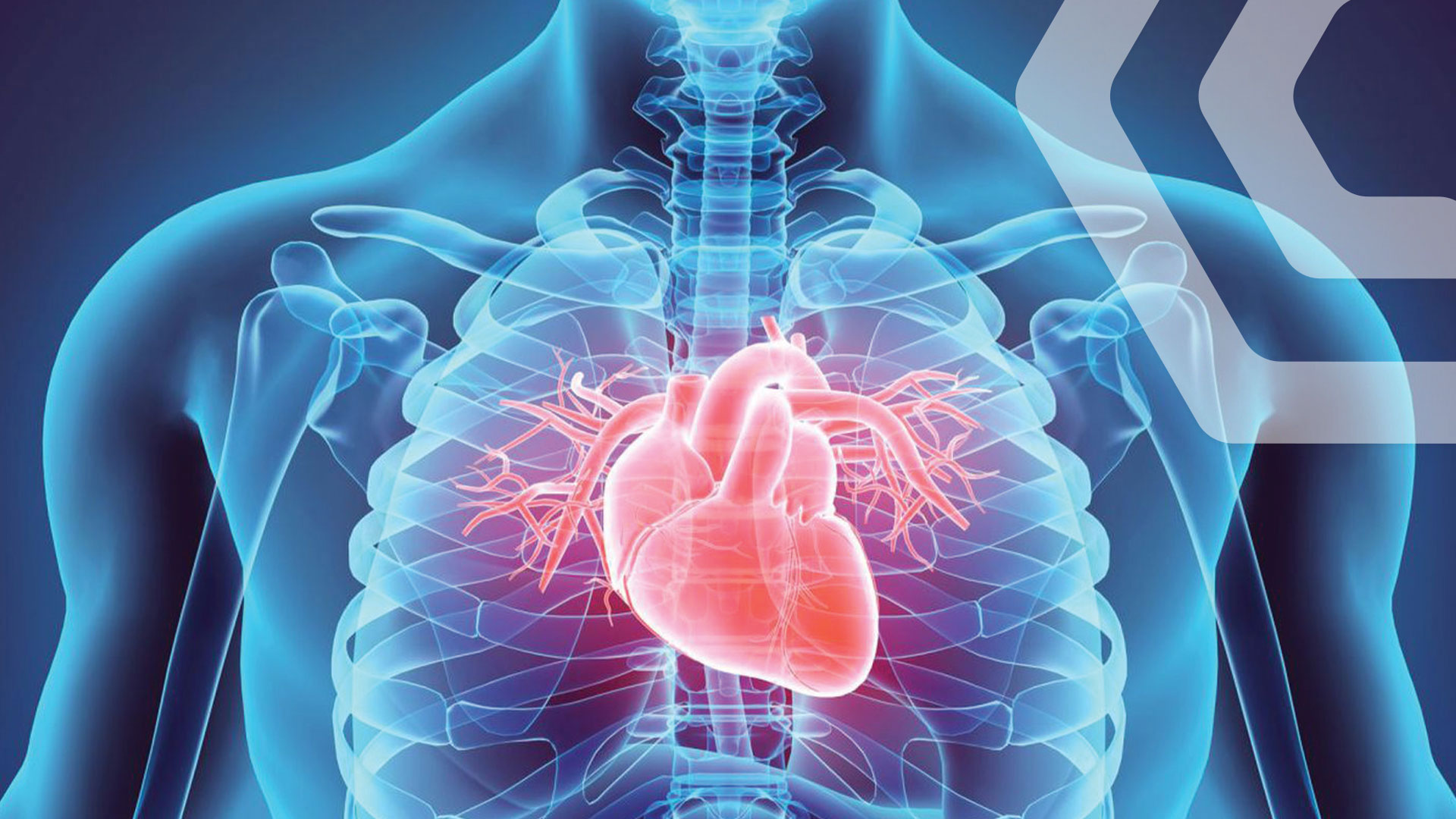
Spring and the Cardiovascular System
As spring arrives, longer days and rising temperatures begin to affect our cardiovascular health.