
SEXUALLY TRANSMITTED DISEASES
Last updated: over 1 year ago
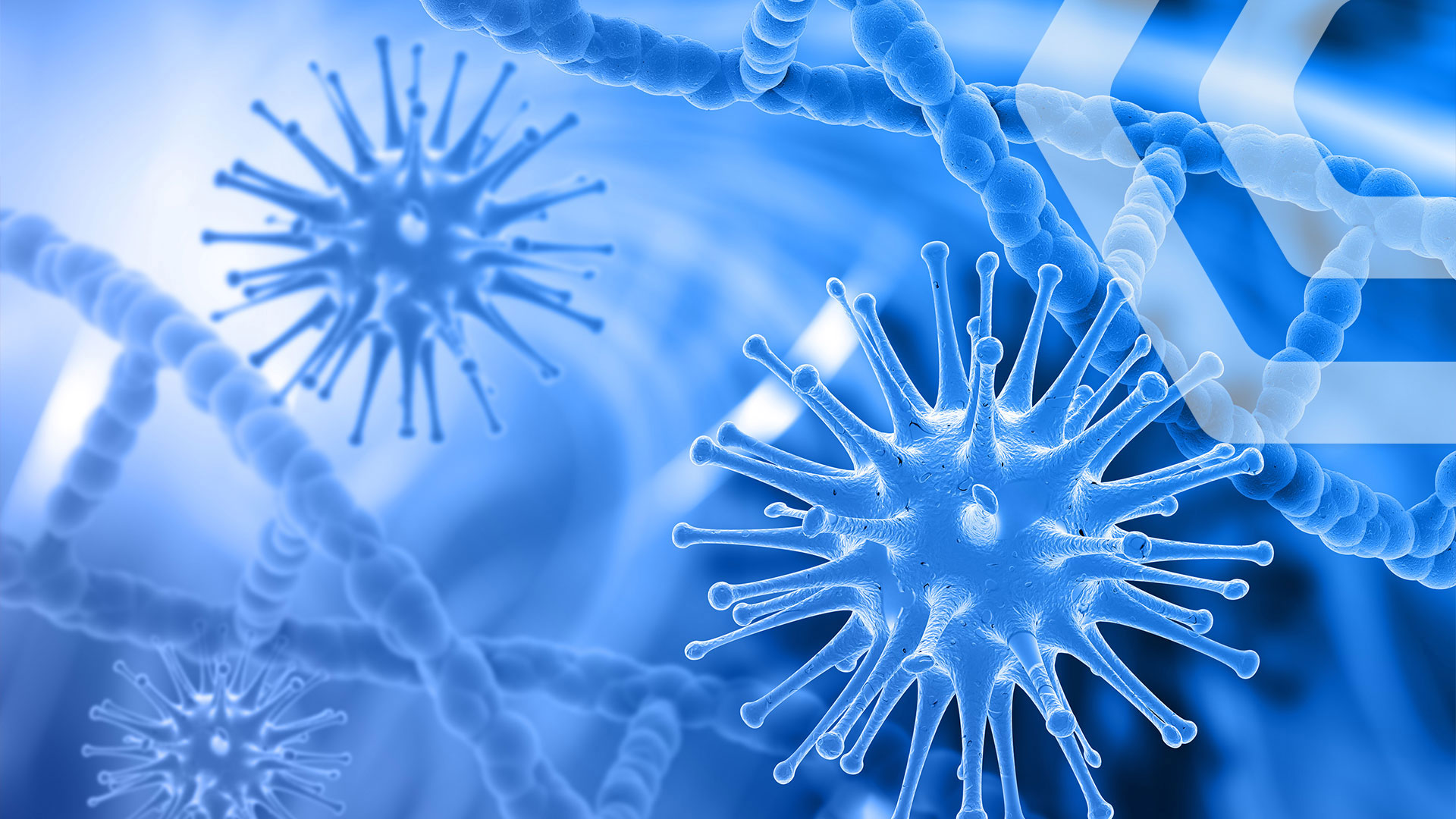
Sexually transmitted diseases (STDs) are infections passed from one person to another through vaginal, oral, or anal sexual contact. In some cases, these infections can also be transmitted through non-sexual means, such as from mother to child during pregnancy or childbirth, through blood transfusions, or by sharing needles and other forms of physical contact. For example, herpes and human papillomavirus (HPV) can spread through skin-to-skin contact.
STDs are caused by a range of pathogens, including fungi, viruses, bacteria, and parasites. The most common STDs are caused by eight primary pathogens.
Four of these are fully treatable: syphilis, gonorrhea, chlamydia, and trichomoniasis.
The remaining four diseases are viral and currently incurable. However, with appropriate medical care, they can be managed. These include Hepatitis B, herpes (HSV), human papillomavirus (HPV), and HIV/AIDS.
Symptoms of STDs: • Rash on the genitals, mouth, or around the anus • Pain or a burning sensation during urination • Pain during sexual intercourse • Itching around the genitals or in the surrounding area • Unusual discharge from the penis or vagina • Painful, swollen lymph nodes
Risk Factors: • Unprotected sexual contact • Sexual contact with multiple partners • Intravenous drug use • A history of sexually transmitted infections
Prevention: Preventing sexually transmitted infections includes using barrier contraceptives (such as condoms), maintaining good hygiene practices, getting vaccinated when applicable, seeking medical attention promptly, and having necessary preventive screenings.
Similar Posts
Bronchitis
Bronchitis is an inflammatory condition affecting the mucous membrane of the bronchi.
Osteochondrosis
Several factors contribute to the development of osteochondrosis, and it has become increasingly common in younger individuals.
Anemia
Anemia is a condition in which the body experiences a deficiency of healthy red blood cells (erythrocytes) or hemoglobin.