
COLD AND COUGH
Last updated: over 1 year ago

Along with a cold, another common issue often arises—coughing, which is one of the most frequent reasons people visit a doctor.
A cough is an important reflex action that occurs when the body attempts to clear the airways. Most coughs are a sign of a cold.
Coughs can be classified as paroxysmal, spasmodic, dry, or wet. A paroxysmal cough is an uncontrollable cough that lasts for 5 minutes or longer. A dry cough is one that occurs without mucus, while a wet cough involves mucus that may be white, yellow, or green. Coughs can also be acute, subacute, or chronic: • Acute cough lasts up to 3 weeks. • Subacute cough lasts up to 8 weeks. • Chronic cough lasts more than 8 weeks.
Understanding the nature of the cough helps in diagnosing the cause and selecting the appropriate treatment.
Causes of Coughing: • Simple cold or viral bronchitis • Bacterial lung infections, such as pneumonia • Sinus infection: A cough may develop when mucus from the sinuses irritates the airways or when pressure inside the sinus triggers a coughing reflex. • Allergic cough: This occurs when allergic substances are inhaled or during an allergic reaction. • Asthma: Asthma with wheezing is a common cause of chronic coughing. About 25% of children with asthma experience only coughing, without wheezing. • Cough caused by air pollution: This results from irritation of the airways, with tobacco smoke being the most common trigger. • Exercise-induced cough: This worsens with running, especially when breathing in cold air. • Serious causes of coughing: Conditions like bronchiolitis, whooping cough, or foreign bodies in the airways.
How Should We Treat a Cough? Modern medicine offers a wide range of medications, but we recommend consulting a doctor before taking any medication. Never take medication without a prescription, and especially avoid giving medication to children based on advice from neighbors or friends.
There are several types of cough medicines: • Cough suppressants: These suppress the cough reflex. • Mucolytics: These loosen mucus and help it evacuate more easily. • Broncholytics: These act on the smooth muscle tone of the bronchi and relieve bronchospasm. • Antibacterial medications: These kill the bacteria causing the illness.
Choosing the appropriate medication is the responsibility of a qualified specialist. Incorrectly chosen medications can harm the patient.
Similar Posts
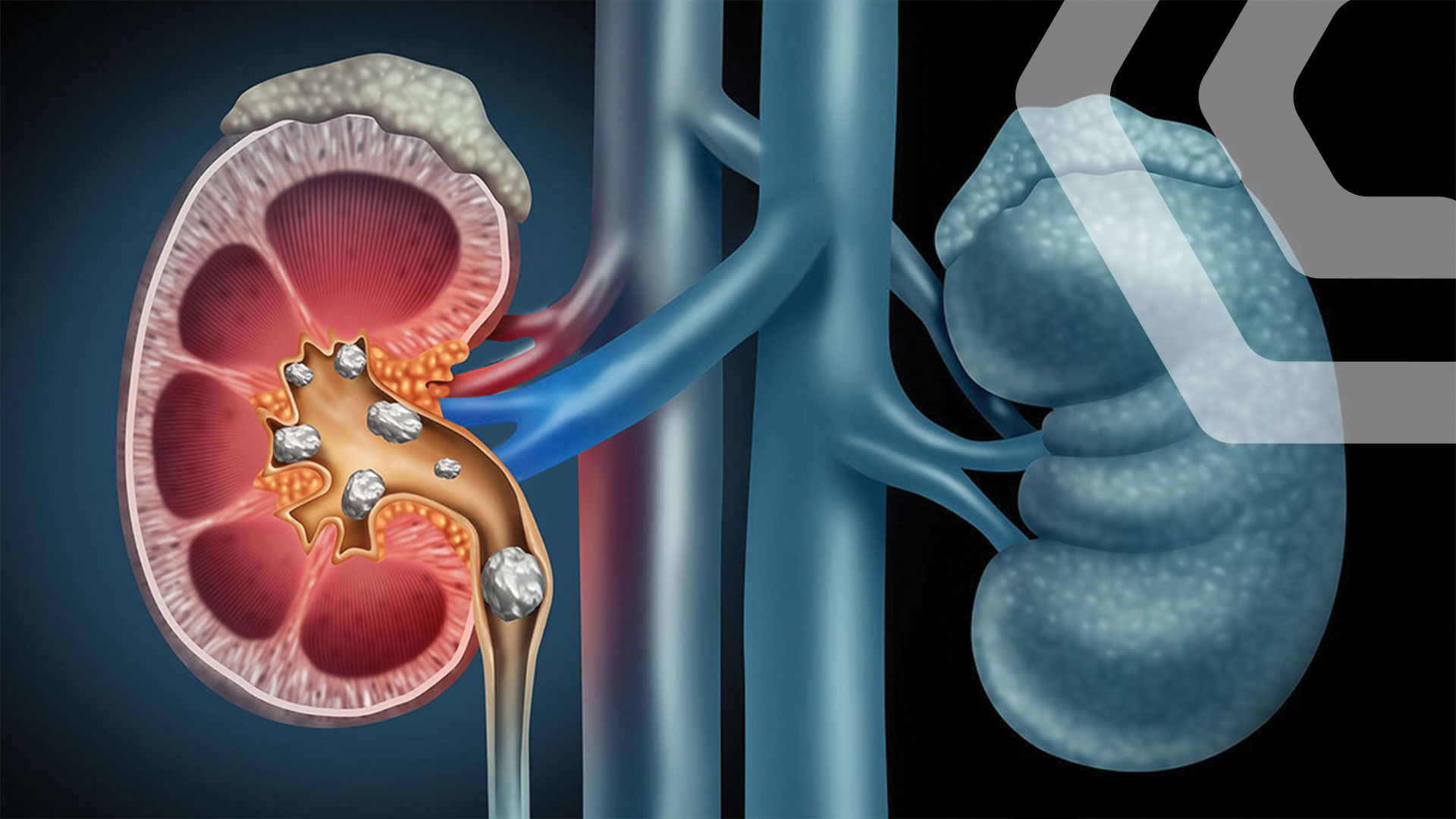
Kidney Stone Formation
Kidney stones treatment options vary depending on the size, location, and composition of the stones.

Antibiotic Resistance
Frequent and unnecessary use of antibiotics allows bacteria to develop "defensive" mechanisms.

Anemia
Anemia is a condition in which the body experiences a deficiency of healthy red blood cells (erythrocytes) or hemoglobin.