
GENERAL GUIDELINES FOR BLOOD TESTS
Last updated: over 1 year ago
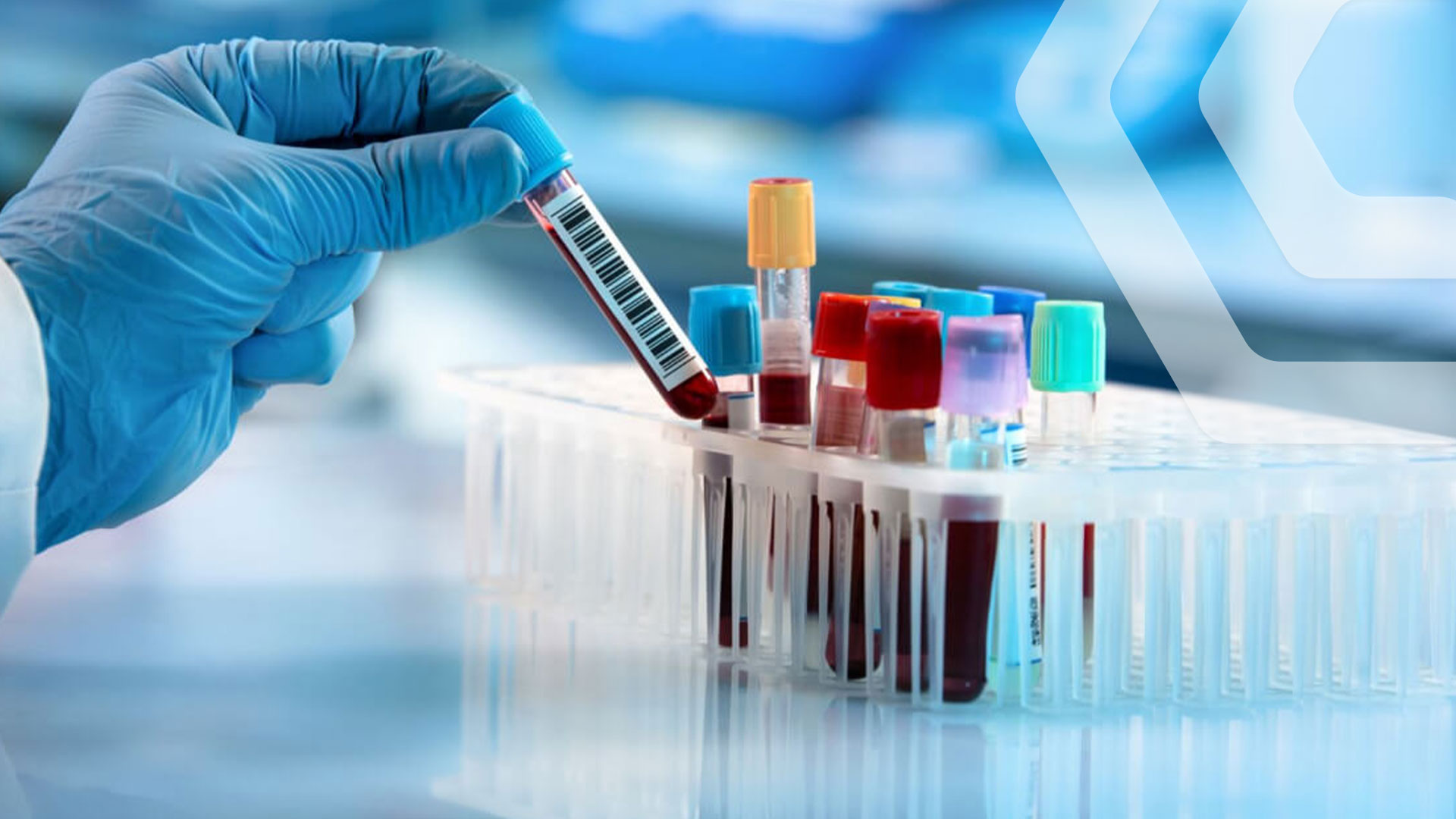
Blood tests are best taken in the morning between 08:00 and 11:00 AM. For certain tests, fasting is required. Below are the test categories and the corresponding preparation instructions.
Tests that Require Fasting: • Lipid Profile • Glucose • Insulin • HOMA Index • C-peptide
Fasting Instructions: Fasting means no food for 8 hours (or 12 hours in some cases, like for lipid profile tests) after your last evening meal. Tests Recommended While Fasting: • Kidney Function Tests • Electrolytes (calcium, magnesium) • Iron • Phosphorus • Liver Function Tests • Uric Acid • Total Protein • Transferrin, etc.
Important Considerations: • Alcohol: Avoid alcohol consumption before blood collection. Even small amounts can cause significant changes and inaccuracies in results. • Smoking: Refrain from smoking at least one hour prior to blood collection, as smoking can reduce oxygen saturation in your blood. • Physical Exertion: Avoid physical exertion before collection. • Medications: Inform the laboratory staff if you are taking any medications, as these may affect the results. • Microbiological Tests: If undergoing microbiological tests, ensure you collect the sample before starting any antibiotic therapy. If you are already on antibiotics, inform the lab so they can adjust the test as needed.
Glucose Measurement in Blood Serum Fasting Glucose Measurement: • Instructions: Do not consume food or drink (except water) before the test. Fasting should last for at least 8 hours after dinner. Post-Meal Glucose Measurement: • Instructions: Blood should be collected exactly 2 hours after finishing the meal. For example, if you finish breakfast at 10:00 AM, blood should be collected at 12:00 PM. Arriving 10-15 minutes before your appointment will help ensure timely collection. Glucose Tolerance Test: • Preparation: Fasting is required. The first blood sample is collected in a fasting state, followed by the patient drinking a glucose solution (75 grams of glucose for adults, or 1.75 grams per kg for children). Subsequent samples will be taken one or two hours after the glucose solution. • Important: No food or drink (except water) is allowed during the intervals.
Glucose Tolerance Test (Gestational Diabetes Screening) • 50-gram Glucose Load: No special preparation is required. Blood is collected 1 hour after consuming the 50-gram glucose solution. • 100-gram Glucose Load: Fasting is required before the first blood sample. Subsequent samples will be taken 1, 2, and 3 hours after consuming the glucose solution.
Urine Sample Collection Guidelines Proper collection is crucial for accurate urine test results. Please follow the guidelines below. General Instructions: • Avoid food or medications (e.g., beets, B vitamins, phenazopyridine) that can affect the sample. • Do not collect urine samples during menstruation to prevent contamination. • Physical exertion before sample collection should be avoided. • Ensure the sample reaches the laboratory within 2 hours. If there is a delay, store the sample at 2-8°C or use a chemical stabilizer.
How to Collect a Midstream Urine Sample:
- Wash the genital area thoroughly.
- Collect the sample in a clean, sterile container.
- Ensure the container is clean, dry, and sterile.
- Minimum sample volume required: 10 mL. 24-Hour Urine Collection:
- Discard the first morning urine.
- Collect all subsequent urine until the first morning urine the next day.
- Avoid contamination with fecal material.
- Store the sample in a cool, dark place in a sealed container.
- Provide the exact volume of the sample to the laboratory. Minimum required: 10 mL.
- Include the patient's height and weight when submitting the sample.
Pediatric Sample Collection • Boys: After hygienic cleaning, place the genital organ into the collector and secure it with adhesive. • Girls: Attach the adhesive collector to the external genital area. Do not leave the collector on for more than 1 hour and send the sample to the laboratory immediately.
Fecal Sample Collection Guidelines For accurate results, avoid the use of certain medications before collection, and follow these instructions: For Coprological Examinations: • Avoid medications such as laxatives, barium sulfate, or iron supplements before the test. For Occult Blood Testing: • Avoid consuming meat, fish, or green vegetables for 3 days before the test. Fecal Sample Collection Instructions: • Collect samples in a clean, dry container. • Ensure the sample does not mix with urine or genital discharge.
Semen Sample Collection Guidelines • Abstinence: Abstain from sexual activity for 3 days before sample collection. • Collection: Collect the entire ejaculate in a sterile container. If the sample is incomplete, note it as "incomplete" and do not add from another collection. • Transport: Bring the sample to the laboratory within 30 minutes and keep it close to the body to maintain temperature.
Sputum Sample Collection Guidelines
- Preparation: Rinse your mouth with boiled water or a mild saline solution.
- Collection: Cough deeply to collect the sputum directly (avoid saliva).
- Container: Use a wide-mouthed container for collection.
- Storage: The test should be done shortly after collection. If there is a delay, store the sample in a cool place or refrigerator.
Similar Posts
Vitamins and Their Deficiency: Importance and Impact
A lack of vitamins can weaken the immune system and overall well-being.

What Impact Does Prolactin Have on Our Health?
Maintaining normal prolactin levels is essential for overall hormonal balance.
Rheumatism - Symptoms
Rheumatism symptoms are diverse and may result from inflammation in the heart, joints, skin, or central nervous system.