
LIVER- A VITAL FILTER FOR THE BODY
Last updated: over 1 year ago
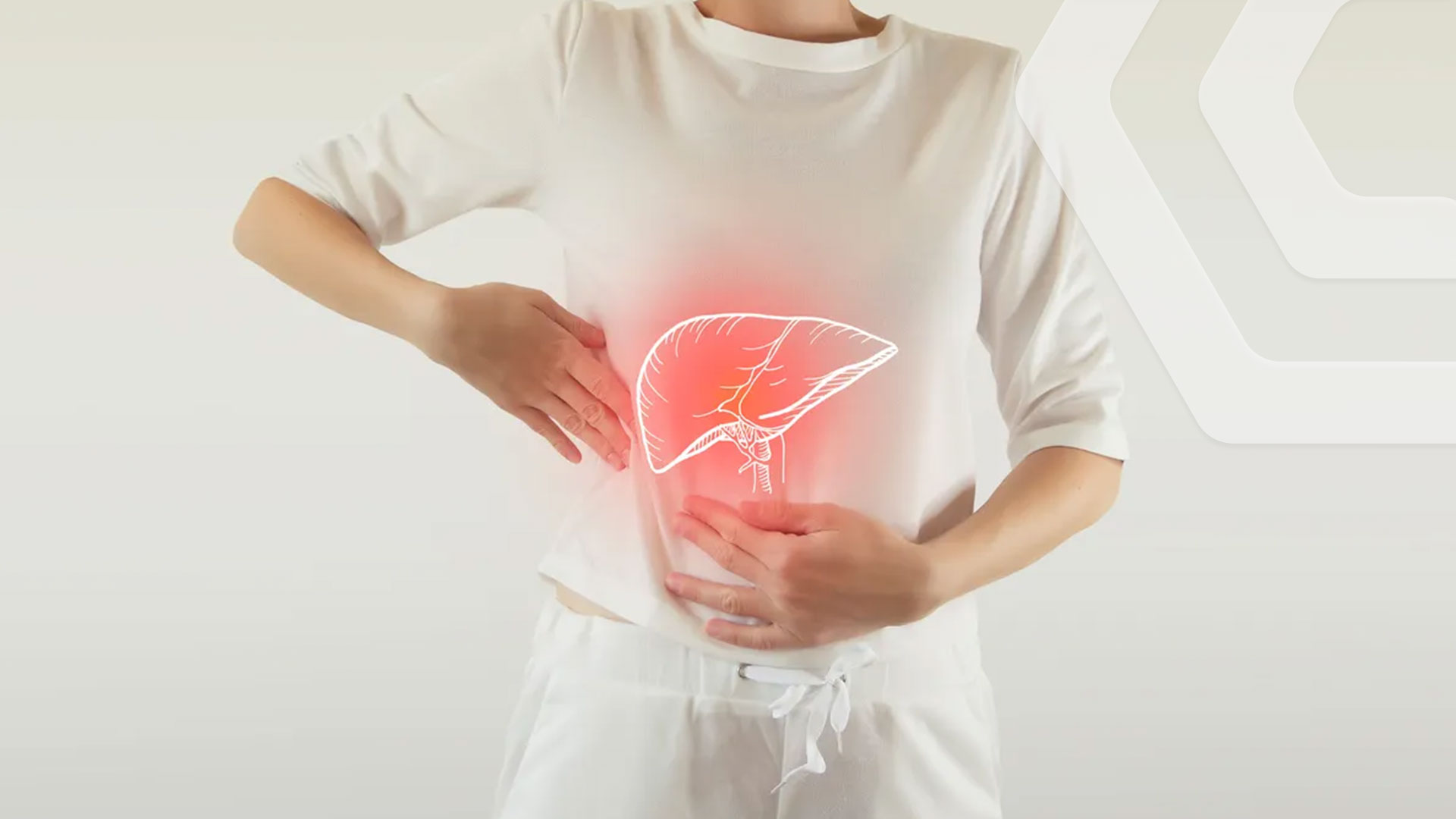
The liver is the largest internal organ in the human body. It processes our blood 400 times a day, with up to 20 million chemical reactions occurring every minute. The liver plays a crucial role in various physiological processes and is involved in numerous vital functions, including detoxification, metabolism, and the production of enzymes, proteins, and vitamins.
The primary functions of the liver include: • Storing and accumulating nutrients for future use • Detoxifying harmful substances, such as toxins, medications, and alcohol • Supplying energy to the body • Synthesizing proteins and vitamins essential for immune system function • Breaking down red blood cells and producing hormones • Assisting with digestion
Every day, the liver is subjected to significant strain: we breathe polluted air, consume food filled with preservatives and other chemicals, take various medications, drink alcohol, and smoke cigarettes. The liver is responsible for processing and neutralizing these substances.
The main factors contributing to liver disease include an unhealthy lifestyle, excessive alcohol consumption, and, in some cases, viral infections.
To prevent liver disease, it is important to: • Engage in regular physical activity • Maintain a healthy lifestyle • Follow a vitamin-rich diet • Avoid alcohol • Schedule regular preventive check-ups
Modern medicine can now cure or at least manage liver diseases, but early detection is key. The liver is one of the organs where disease can develop without noticeable symptoms, so regular screenings are essential.
Similar Posts
Caffeine
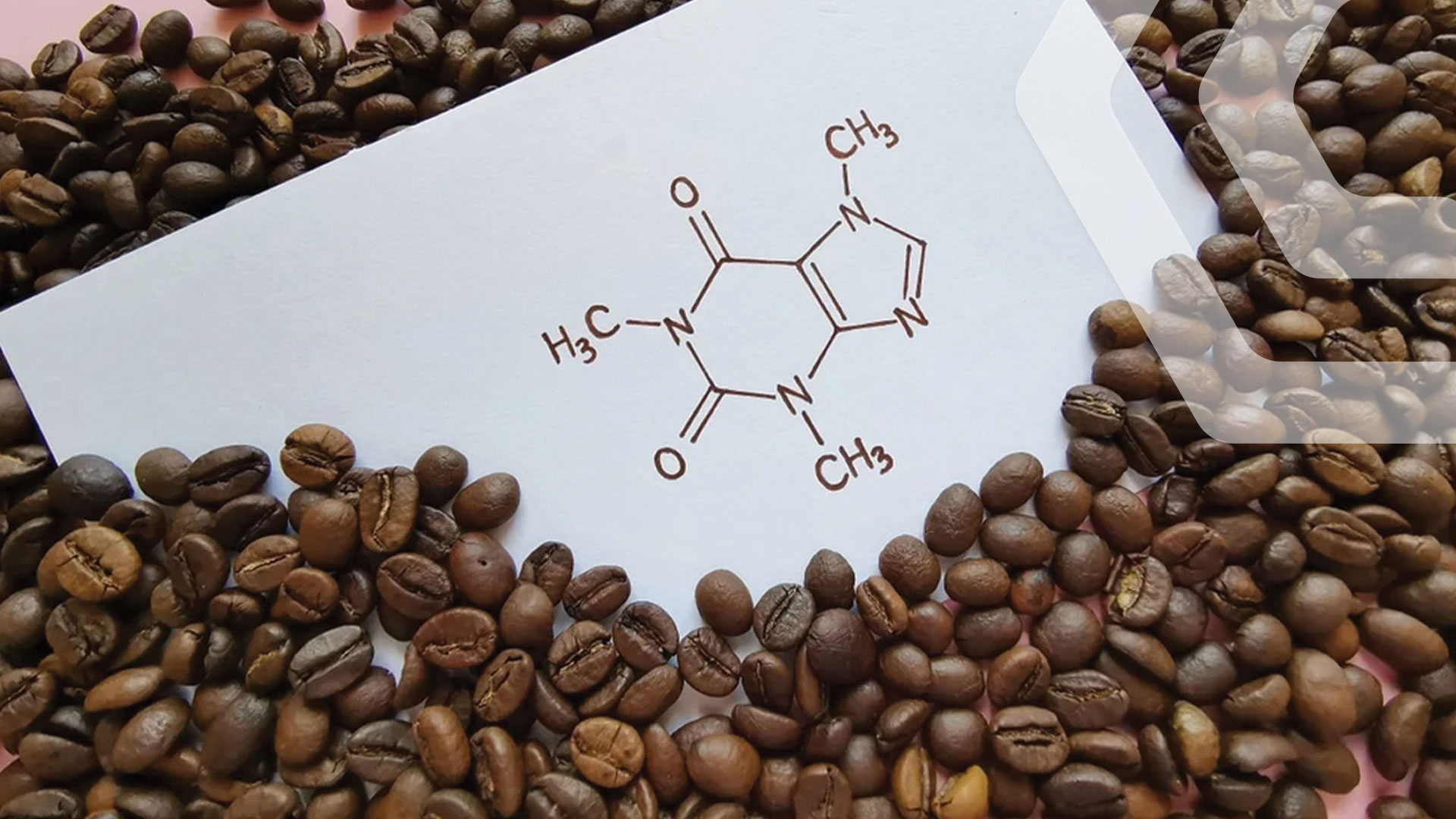
Caffeine is a natural stimulant found in tea, coffee, and cocoa plants.
Food Poisoning
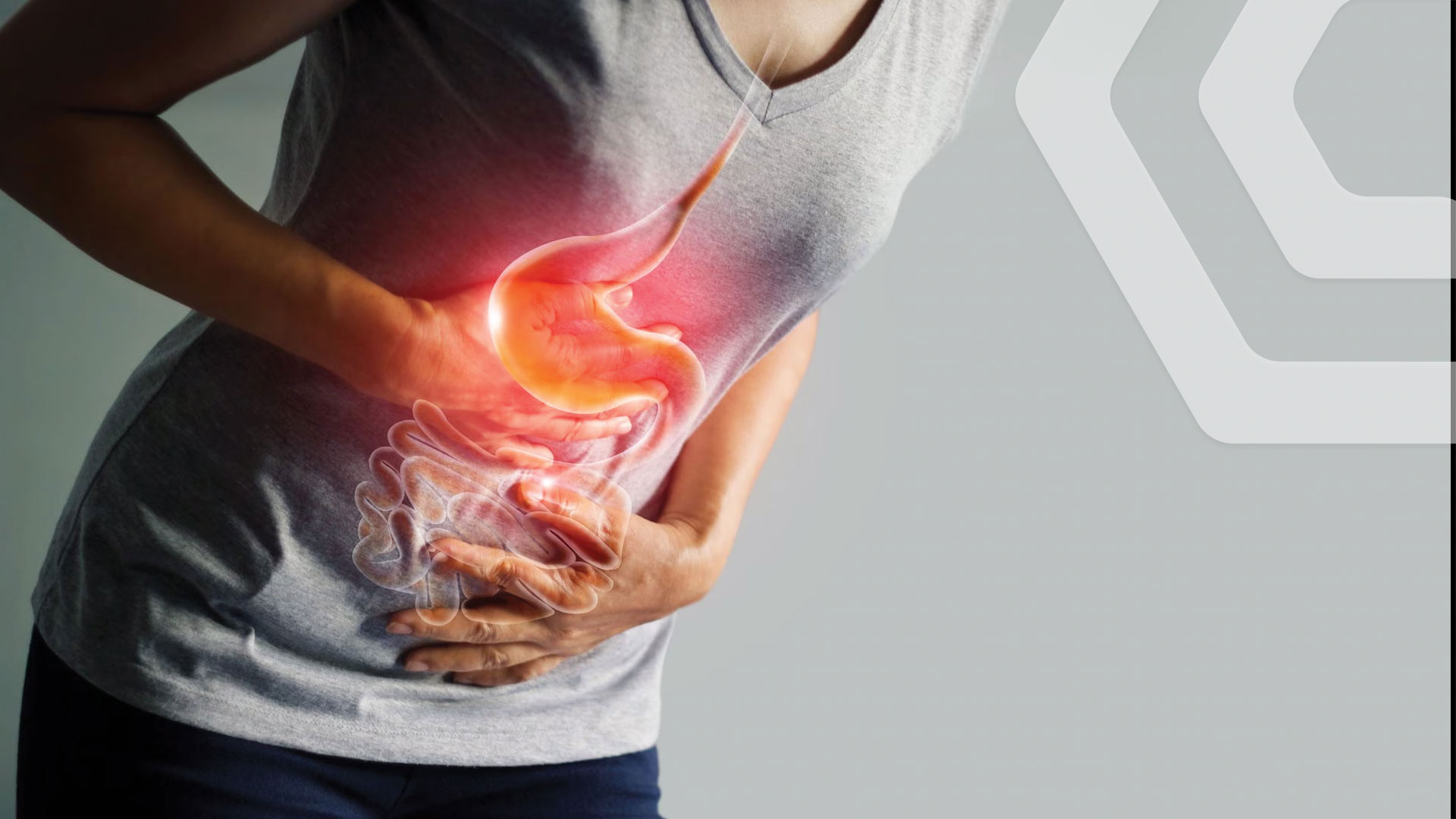
When experiencing diarrhea and vomiting, it's important to stay hydrated by drinking fluids .
Spring and the Cardiovascular System
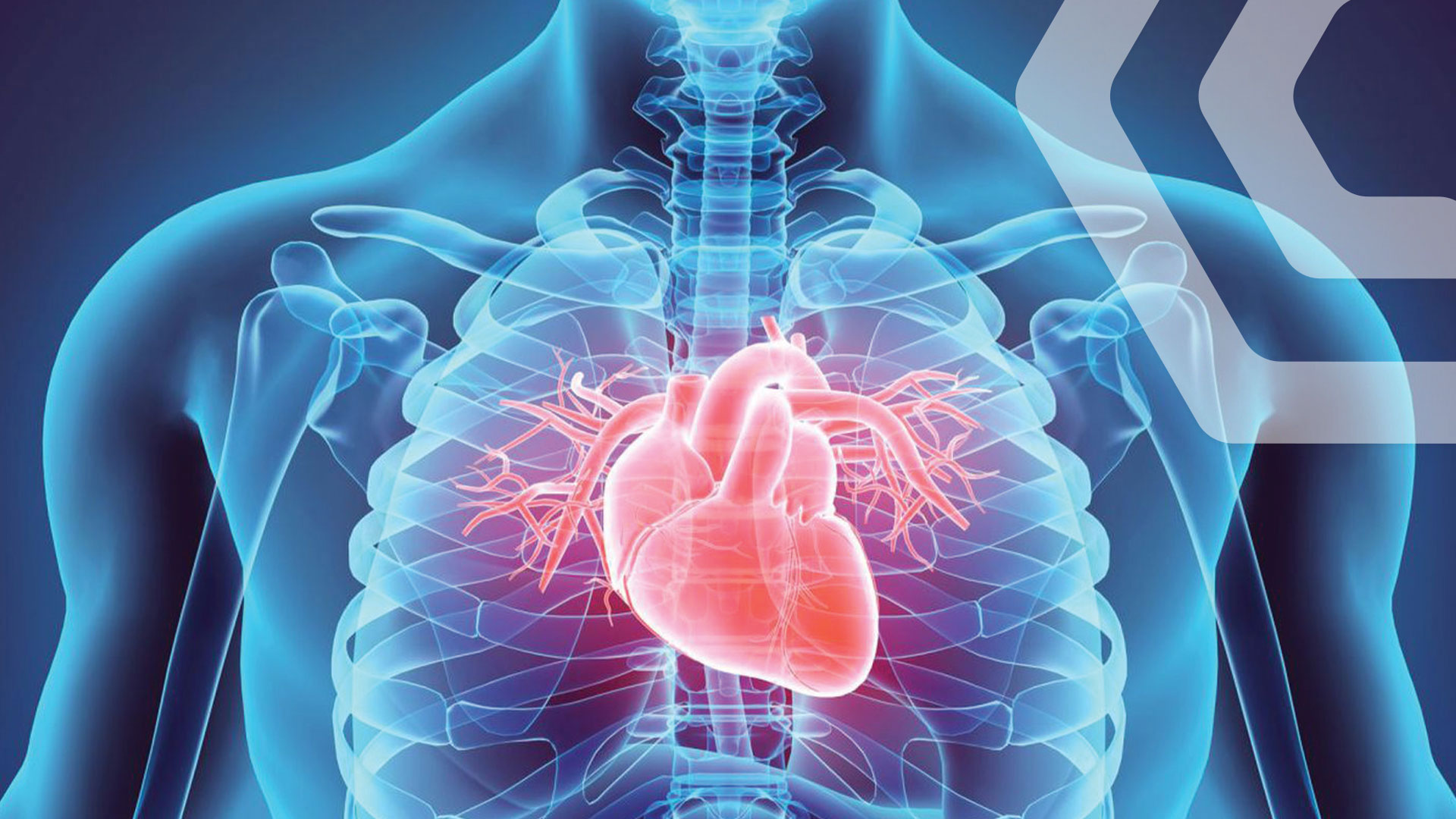
As spring arrives, longer days and rising temperatures begin to affect our cardiovascular health.