SPRING AND THE CARDIOVASCULAR SYSTEM
Last updated: over 1 year ago
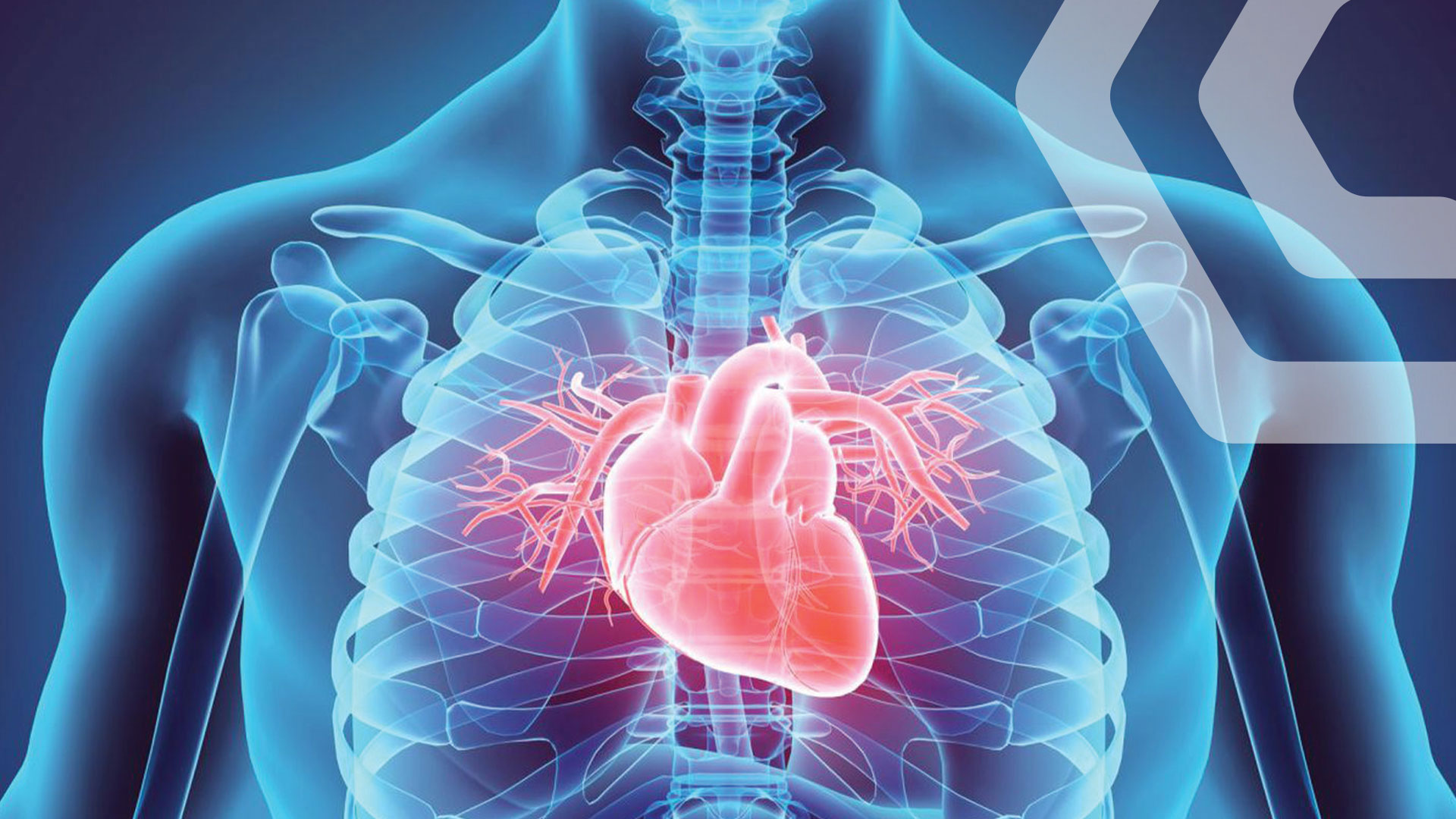
As spring arrives, longer days and rising temperatures begin to affect our cardiovascular health. These changes influence blood pressure, heart rate, body temperature, and metabolic processes. As temperatures increase, the heart works harder to regulate body temperature, which is especially important for those with existing heart conditions or at risk of heart disease.
Increased Health Risks in Spring During the spring months, the risk of stroke, heart attack, and arrhythmia rises by 15%. Dehydration can also significantly increase the risk of heart disease. As the seasons change, it's important to be mindful of these potential risks.
A Time for New Beginnings Spring is the perfect time to reassess and refresh unhealthy habits developed during the winter. A sedentary lifestyle, lethargy, and cravings for sugary or fatty foods can all contribute to an increased risk of cardiovascular disease, as well as raise the likelihood of hypertension and heart attacks. Encouraging Physical Activity
Spring naturally encourages us to get moving. Positive social interactions, gardening, and spending time outdoors can lower blood pressure by up to 40%. Engaging in creative work also helps stimulate the release of catecholamines, which regulate heart rate and blood pressure. Additionally, moderate physical activity, such as walking in the sun, not only improves overall health but also helps burn calories and reduce the risk of heart disease. Moderate sun exposure promotes the production of vitamin D, which strengthens the immune system. Healthy Eating in Spring
The risk of cardiovascular disease can also be reduced by eating healthy foods, and spring makes it easy to access nutritious options. Seasonal fruits and vegetables are ideal components for your spring diet. In place of the alcohol cravings common in winter, opt for beverages rich in lemon and lightly sweetened with honey. Moderation is Key
Combining regular physical activity with healthy eating can significantly lower the risk of cardiovascular disease. Remember, moderation is key to maintaining a balanced lifestyle during this time.
Spring as a Time for New Projects Research has shown that the risk of heart disease, including myocardial infarction and stroke, is much lower in individuals who are motivated by the pursuit of personal goals. Spring is a great time to start new projects and focus on positive aspirations.
Time for a Check-Up Finally, spring is an important time for individuals with arterial hypertension, heart failure, a history of myocardial infarction, or arrhythmia to visit their cardiologist. This ensures that treatments are optimized and health strategies are in place for a healthy, active season ahead.