SPINAL AND LIMB DEFORMITIES
Last updated: over 1 year ago
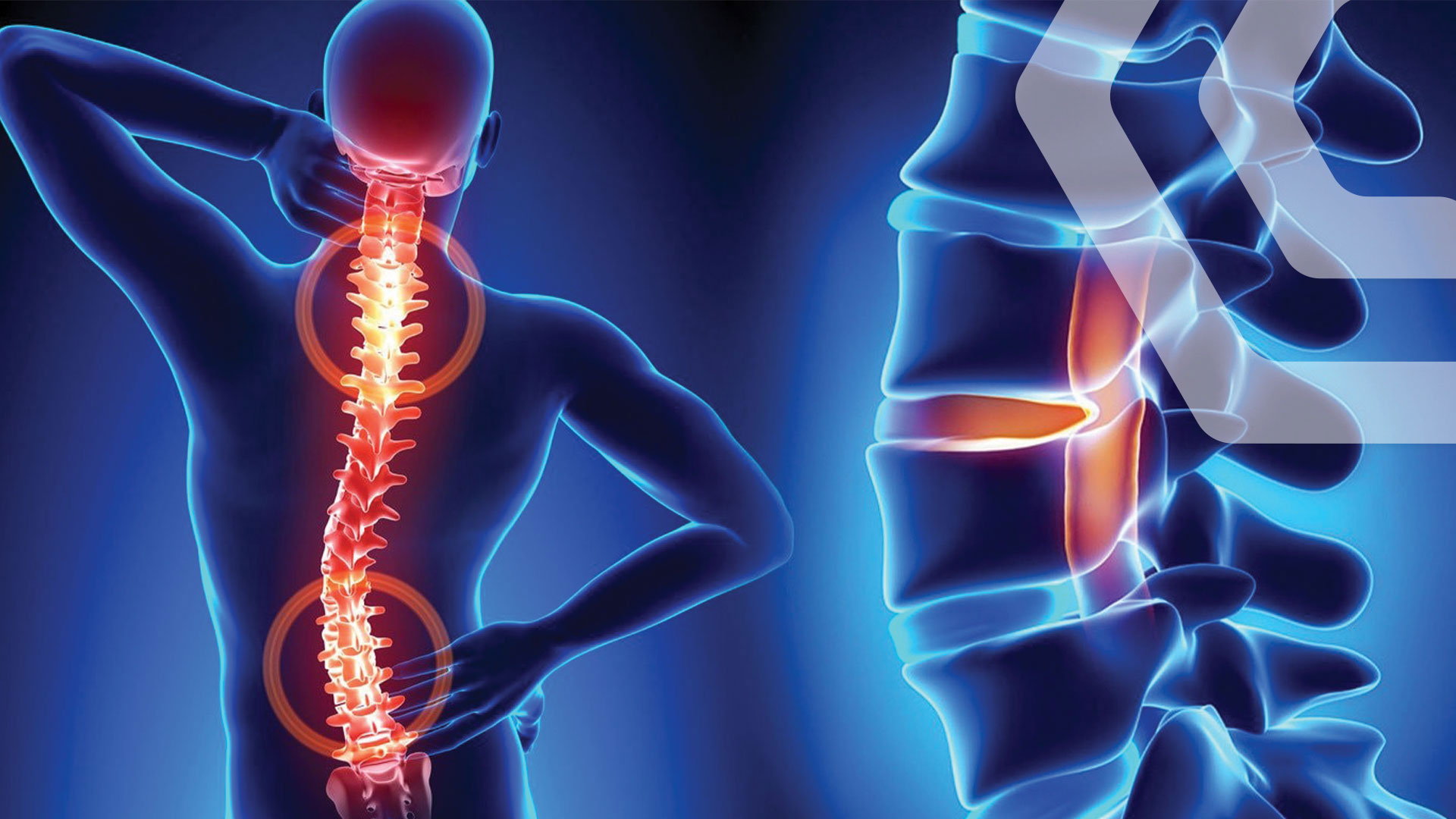
Hip dysplasia is one of the most common musculoskeletal pathologies in children. Among orthopedic conditions, scoliosis, flat feet, neck stiffness, and pigeon chest are frequently observed in children and adolescents.
Special attention is needed for children who were in abnormal positions during pregnancy, such as those who were in a sitting position, twins, those born after pregnancies with toxemia, children born from pregnancies with uterine tone issues, and children born to older mothers.
Parents should monitor for the following signs and consult an orthopedic specialist if they notice: • Asymmetry in the creases of the lower limbs • Restricted movement or, alternatively, hypermobile joints • Noticeable shortening of a lower limb
To prevent dysplasia, it is important to allow children to move freely. Tight wrapping should be avoided. It is beneficial for babies to sleep on their stomachs on a firm surface starting at 4 months. By 7-8 months, they should begin crawling.
Scoliosis is the most common orthopedic issue in adolescents. You should consult an orthopedic specialist if your child shows any of the following signs: • Uneven shoulders • Asymmetry of the shoulder blades • Uneven waist • Asymmetry of the hips • A rib more pronounced on one side
According to statistics, more than 65% of school-aged children develop flat feet. While flat feet can be congenital, it is rare. The first signs of flat feet include easy fatigue and pain in the ankle and foot joints after prolonged standing or walking. Early detection and treatment of flat feet can help stop progression and correct the deformity more effectively.