
OSTEOCHONDROSIS
Last updated: over 1 year ago
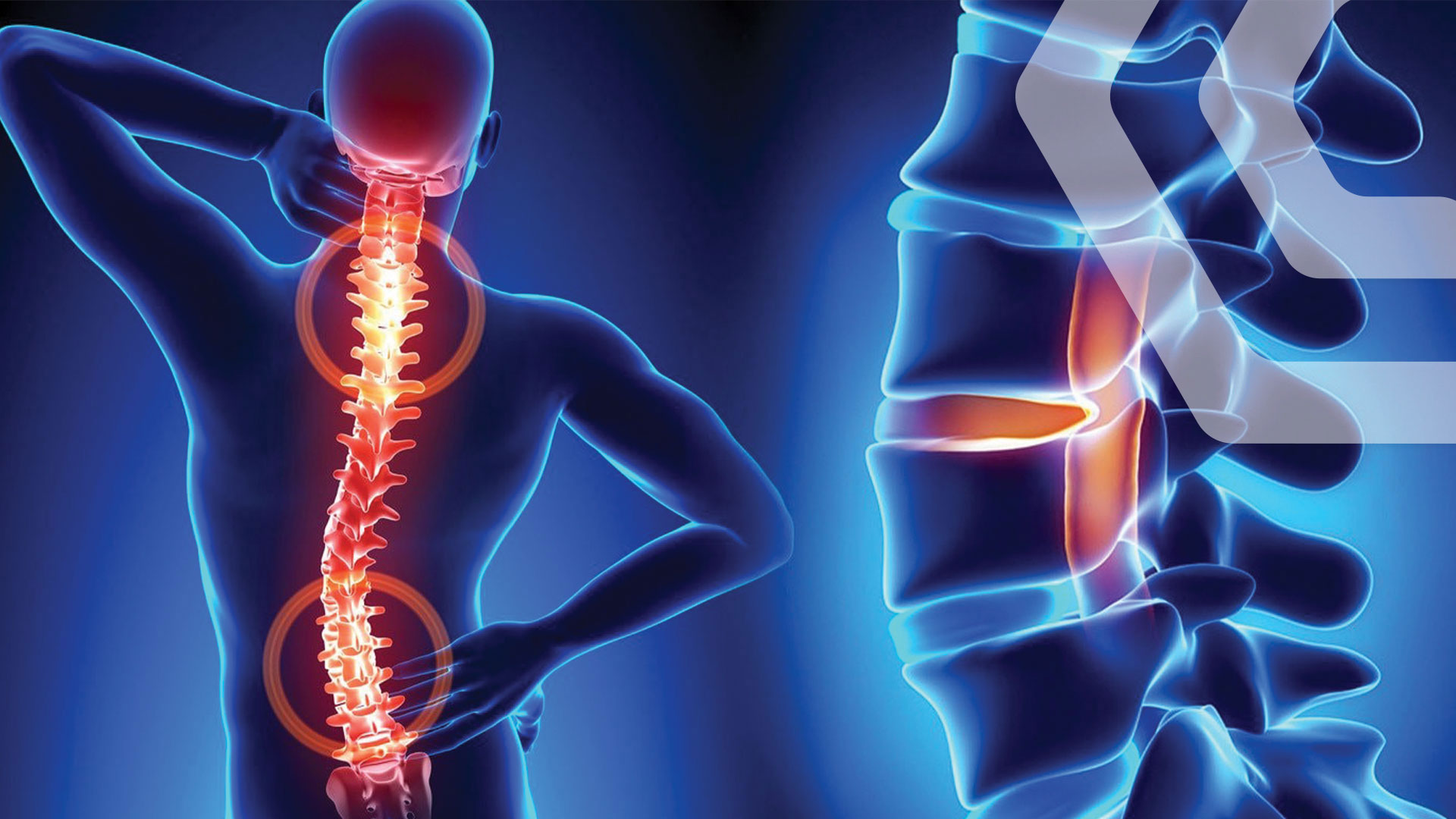
Osteochondrosis is a degenerative-dystrophic condition that affects both cartilage and bone, primarily impacting joints subjected to heavy physical loads.
The clinical symptoms of osteochondrosis include pain, which can vary in intensity. This pain often intensifies with sudden movements or physical exertion.
Several factors contribute to the development of osteochondrosis, and it has become increasingly common in younger individuals. While osteochondrosis was once seen primarily as a condition affecting older adults, the age of those affected has significantly decreased over recent decades.
The primary risk factors for osteochondrosis include: • Genetics • Overweight • Sedentary lifestyle • Heavy physical strain • Flat feet • Chronic stress • And others
A timely assessment by a healthcare professional is crucial to determine the affected area and the disease’s stage. Only after this evaluation can appropriate treatment be prescribed, which may include physical therapy, ultrasound therapy, massage, medication, and therapeutic exercises. It's important to remember that treatment is often a prolonged process and requires both patience and commitment from the patient.
Similar Posts
Anemia
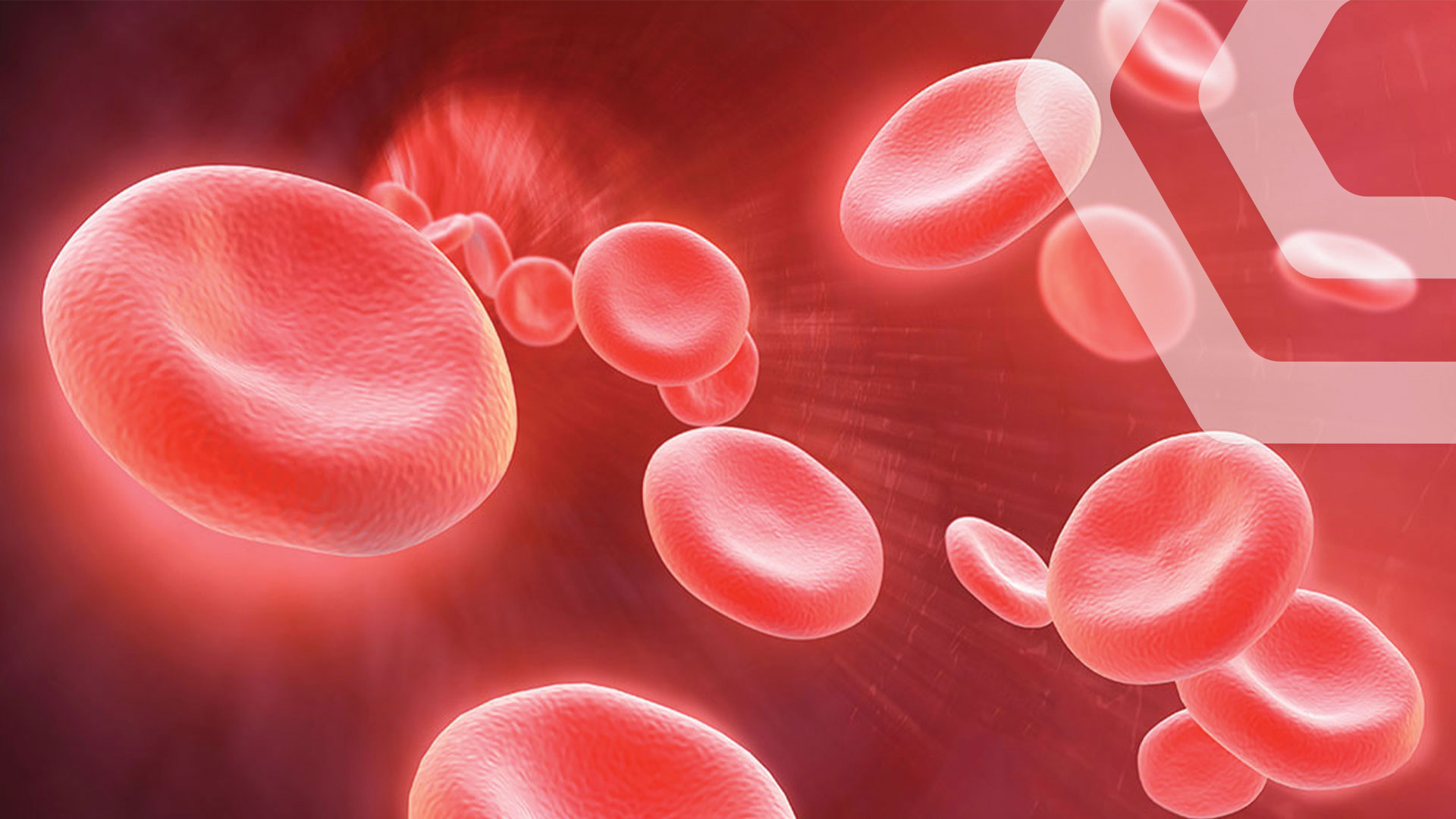
Anemia is a condition in which the body experiences a deficiency of healthy red blood cells (erythrocytes) or hemoglobin.

What is Osteoporosis and What Should We Know About It?
Awareness of osteoporosis is relatively low, largely because it is often referred to as a "silent disease."

Diabetes in Children
Diabetes in children can interfere with growth and slow down metabolism. However, with the right treatment plan and proper management by a doctor, it can be controlled.