
KIDNEY STONE FORMATION
Last updated: over 1 year ago
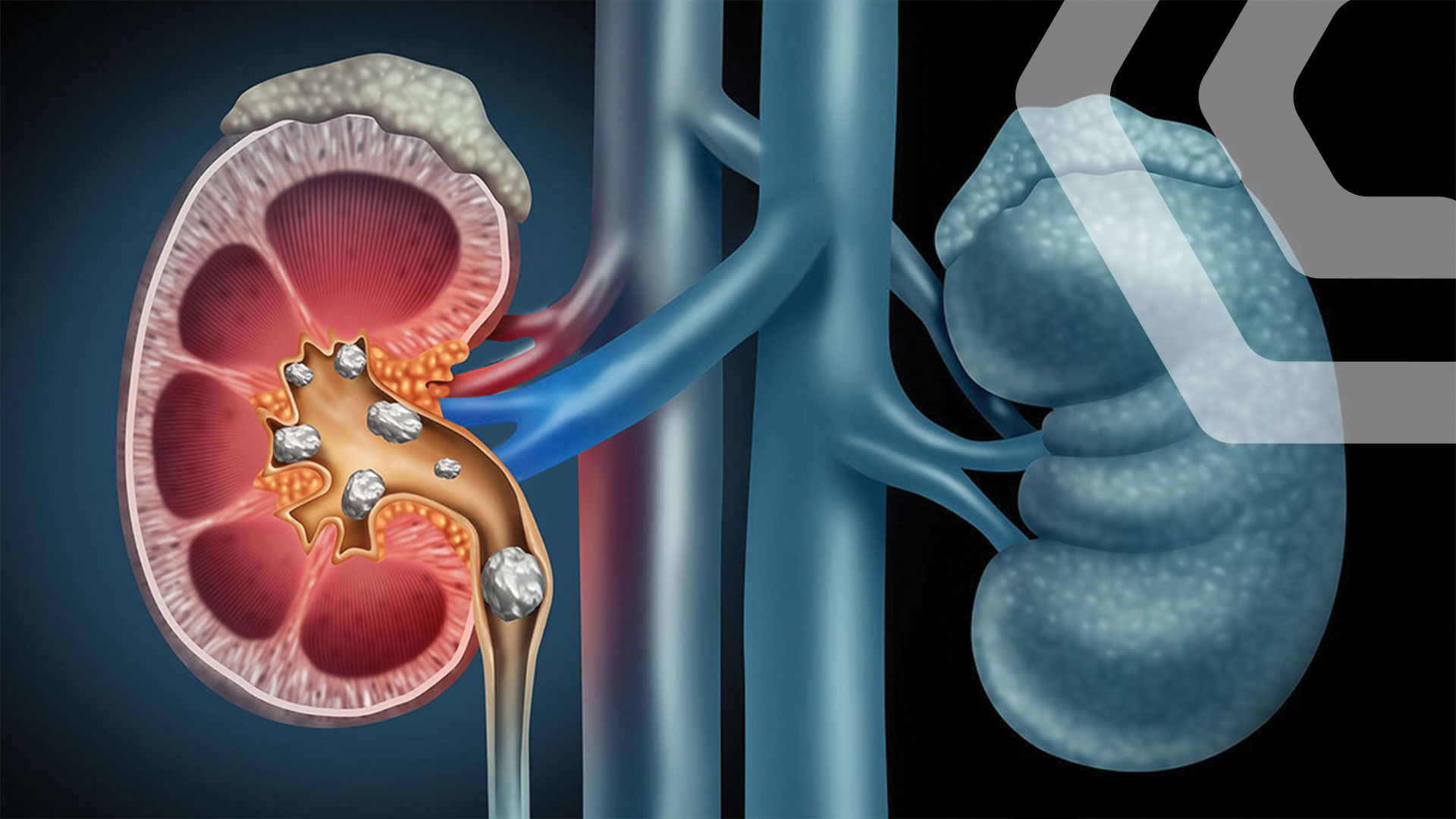
Kidney stones can form in the kidneys, ureters, or bladder. Treatment options vary depending on the size, location, and composition of the stones. The risk of developing kidney stones is higher in men and individuals with a family history of kidney stone disease. Lifestyle factors also play a significant role in increasing the risk, particularly for those who don’t drink enough fluids.
While kidney stones often remain symptom-free, they can sometimes cause the following signs: • Renal colic (severe, sharp pain in the lower back or side) • Pink, red, or brown urine • Frequent urge to urinate • Painful urination • Difficulty urinating • Cloudy urine
To determine whether symptoms are caused by kidney stones, a doctor will evaluate the patient's personal and family medical history, dietary habits, physical examination, and results from laboratory and imaging tests.
How to Prevent Kidney Stones • Drink plenty of fluids throughout the day • Consume calcium-rich foods in moderation • Include more fruits and vegetables in your diet • Reduce salt intake • Avoid foods high in oxalates • Limit animal protein consumption
By adopting these habits, you can significantly reduce the risk of kidney stone formation.
Similar Posts

What is a Pap Test?
The Pap test is a key screening tool for cervical cancer, and it is recommended to have it performed annually.

Overweight
When a person consumes more calories than they burn over time, the excess fat is stored, leading to weight gain.

Vitamins and Their Deficiency: Importance and Impact
A lack of vitamins can weaken the immune system and overall well-being.