
HEMOGLOBIN
Last updated: over 1 year ago
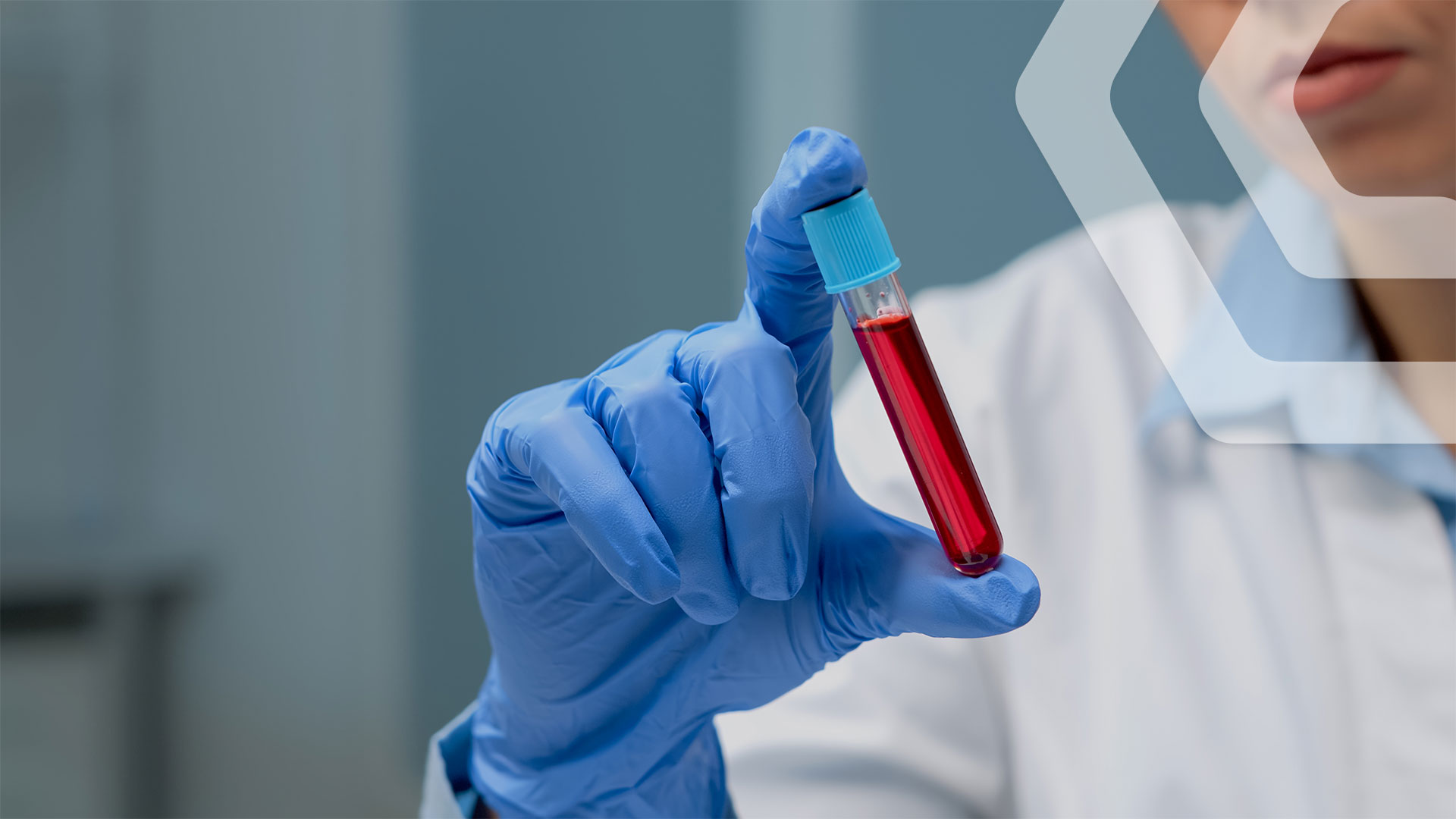
Hemoglobin is a protein in red blood cells (erythrocytes) that contains iron, which binds to oxygen molecules and carries them from the lungs throughout the body. This is its primary function.
Hemoglobin plays a key role in the exchange of oxygen and carbon dioxide between cells, making the maintenance of normal hemoglobin levels vital for overall health.
To check hemoglobin levels, a complete blood count (CBC) is typically performed. It is recommended to have hemoglobin levels checked at least twice a year.
Several factors can affect the normalization of hemoglobin levels, including: • Stress • Smoking • Poor nutrition • Excessive caffeine intake • Irregular sleep patterns • Various health conditions
Regular monitoring and maintaining healthy habits are essential for balanced hemoglobin levels.
Similar Posts
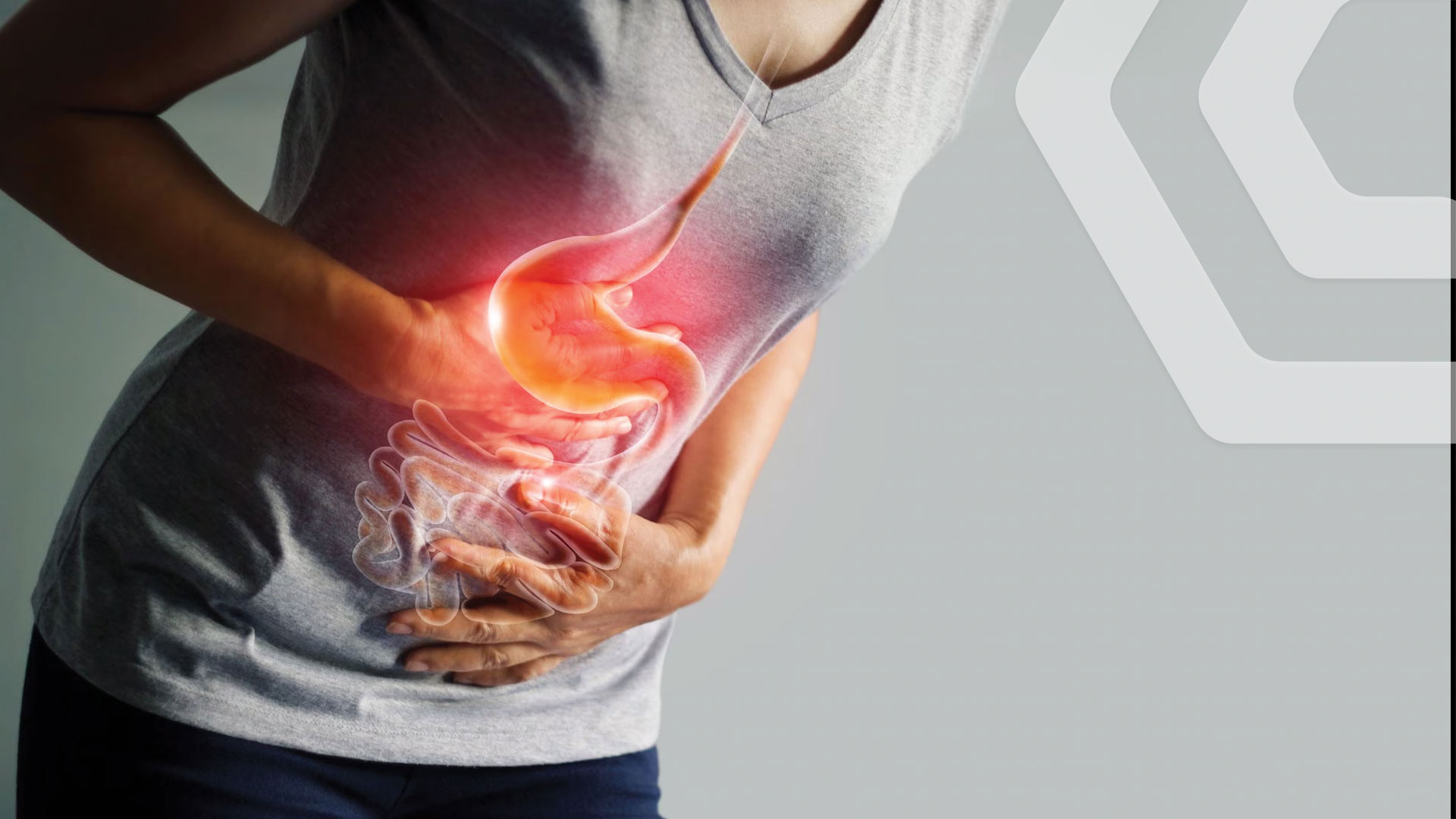
Food Poisoning
When experiencing diarrhea and vomiting, it's important to stay hydrated by drinking fluids .

Seasonal Allergies
An allergy is an exaggerated sensitivity to substances that are usually harmless. In this case, the immune system mistakenly recognizes generally harmless substances as harmful and starts fighting against them
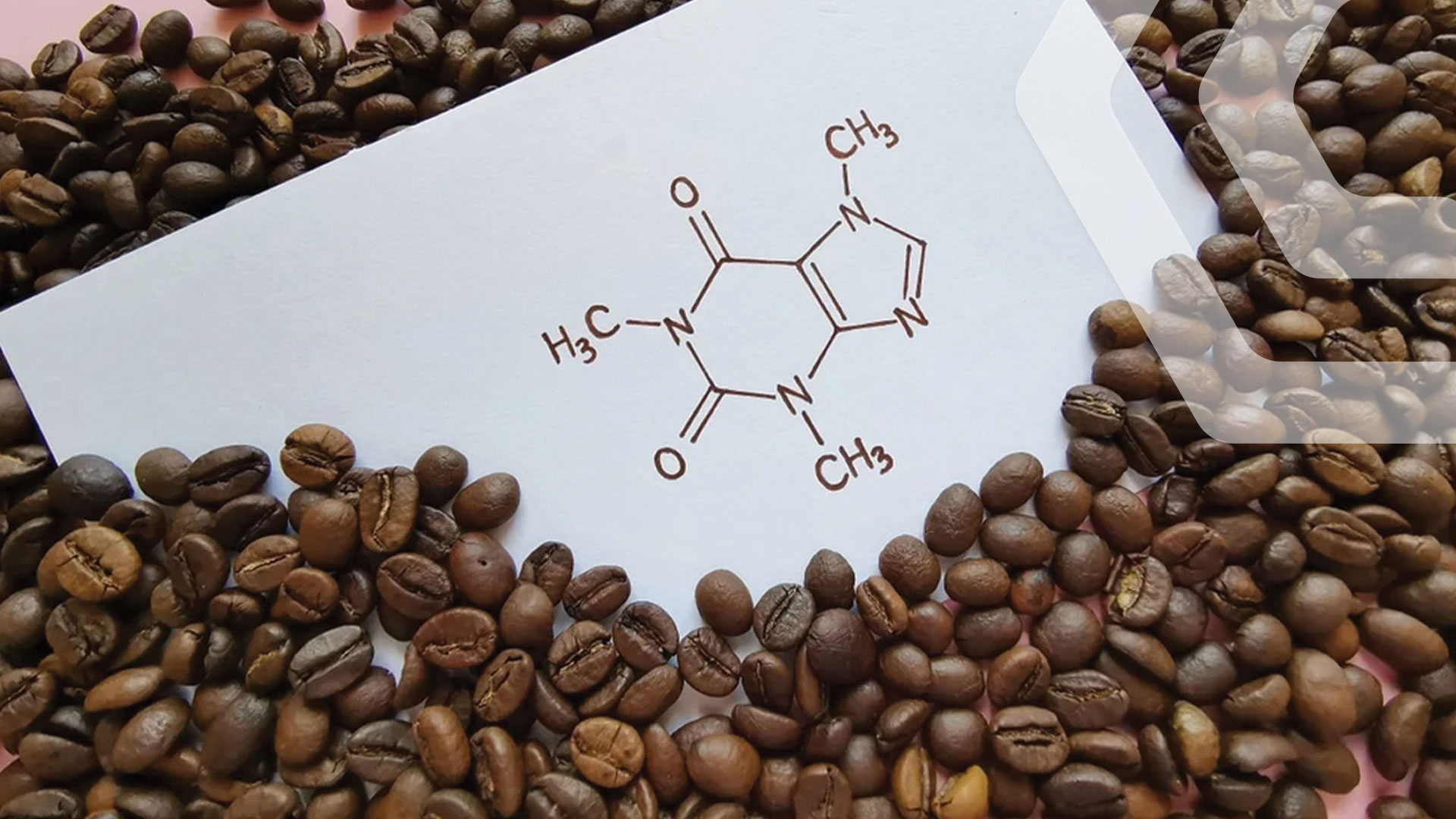
Caffeine
Caffeine is a natural stimulant found in tea, coffee, and cocoa plants.