
CALCIUM AND BONE HEALTH
Last updated: over 1 year ago
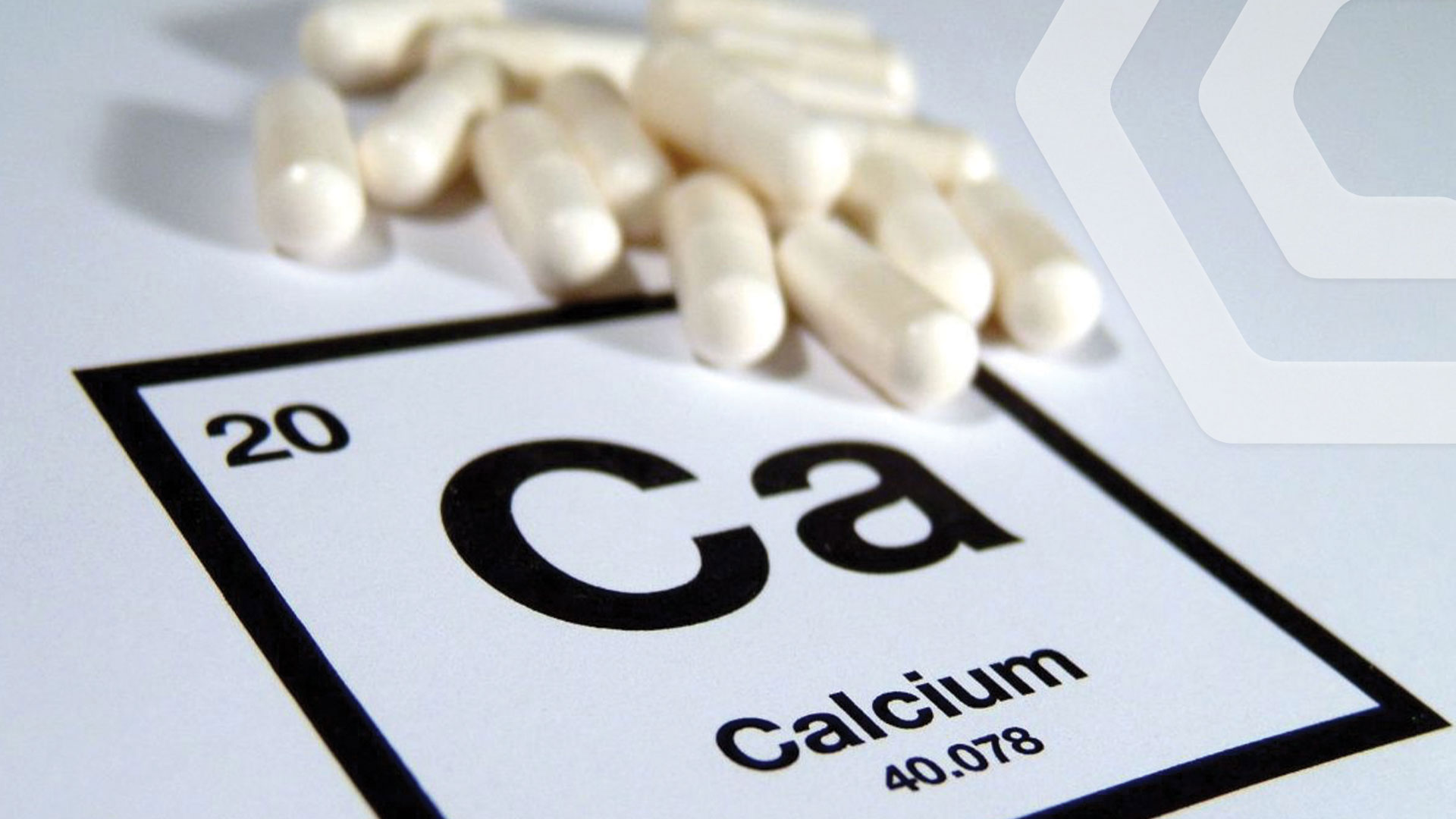
Calcium is most commonly associated with strong bones, and for good reason—it's essential for maintaining bone density and structure.
However, calcium's role extends far beyond bone health. This vital mineral is also involved in several critical functions, including the contraction and dilation of blood vessels, blood clotting, muscle contraction, nerve impulse transmission, and hormone secretion. While only 1% of the body’s calcium is required for these processes, the rest is stored in the bones and teeth, helping to keep them strong and healthy.
Calcium and vitamin deficiencies are particularly common in the spring, especially in individuals with conditions like osteoporosis and osteopenia. In these cases, a lack of vitamin D and phosphorus is often also observed. It's important to start caring for bone health early in life. The primary sources of calcium are dairy products like milk, cheese, and yogurt.
To support healthy bones, it's essential to: • Consume an adequate amount of calcium daily • Stay physically active—regular walking is a great option • Avoid smoking and excessive alcohol consumption • Schedule regular doctor visits and routine check-ups to monitor and maintain your health By following these steps, you can help protect the health of your bones—and your overall well-being—today and in the future.
Similar Posts

What Impact Does Prolactin Have on Our Health?
Maintaining normal prolactin levels is essential for overall hormonal balance.

What is Helicobacter Pylori?
The gold standard for diagnosing Helicobacter pylori infection is the rapid breath test
Spring and the Cardiovascular System
As spring arrives, longer days and rising temperatures begin to affect our cardiovascular health.