
ANEMIA
Last updated: over 1 year ago
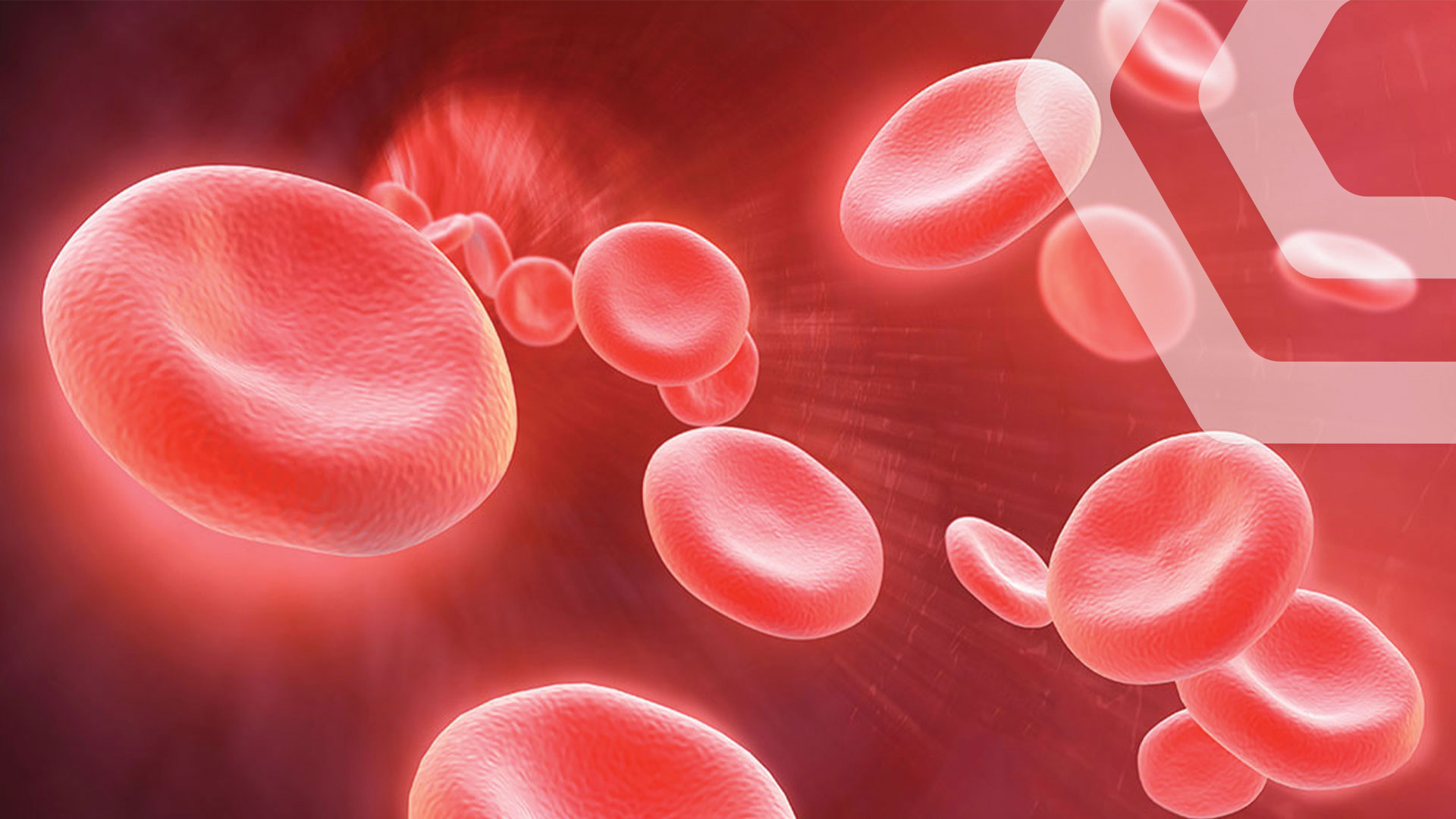
Anemia Anemia is a condition in which the body experiences a deficiency of healthy red blood cells (erythrocytes) or hemoglobin. It is often accompanied by weakness and fatigue. There are various types of anemia, each with its own underlying cause. Anemia can be temporary or chronic and can range from mild to severe.
Symptoms of Anemia The symptoms of anemia depend on its cause. If anemia is caused by a chronic illness, the disease may mask some of its symptoms. In some cases, anemia may occur without noticeable symptoms. In most cases, the following symptoms are associated with anemia: • Fatigue • Weakness • Pale or yellowish skin • Irregular heartbeat • Shortness of breath • Dizziness • Chest pain • Cold hands and feet • Headaches
Causes of Anemia As mentioned, anemia is a deficiency of erythrocytes and hemoglobin, and its causes can include: • Insufficient red blood cells (erythrocytes) in the body • Blood loss, where more blood is lost than the body can produce
Certain types of anemia cannot be prevented. However, iron-deficiency anemia and vitamin-deficiency anemia can be avoided by consuming a diet rich in iron, vitamins, and minerals.
Diagnosis and Testing A Complete Blood Count (CBC) is a test that can assess the body’s overall health. It helps identify a wide range of conditions, including anemia, infections, leukemia, and more. To diagnose anemia, the doctor will collect a family medical history and may conduct physical and laboratory tests as needed.
Similar Posts

Food Poisoning
When experiencing diarrhea and vomiting, it's important to stay hydrated by drinking fluids .

Vitamins and Their Deficiency: Importance and Impact
A lack of vitamins can weaken the immune system and overall well-being.

Cold and Cough
A cough is an important reflex action that occurs when the body attempts to clear the airways.