
VITAMIN D- THE HAPPINESS HORMONE
Last updated: 11 months ago
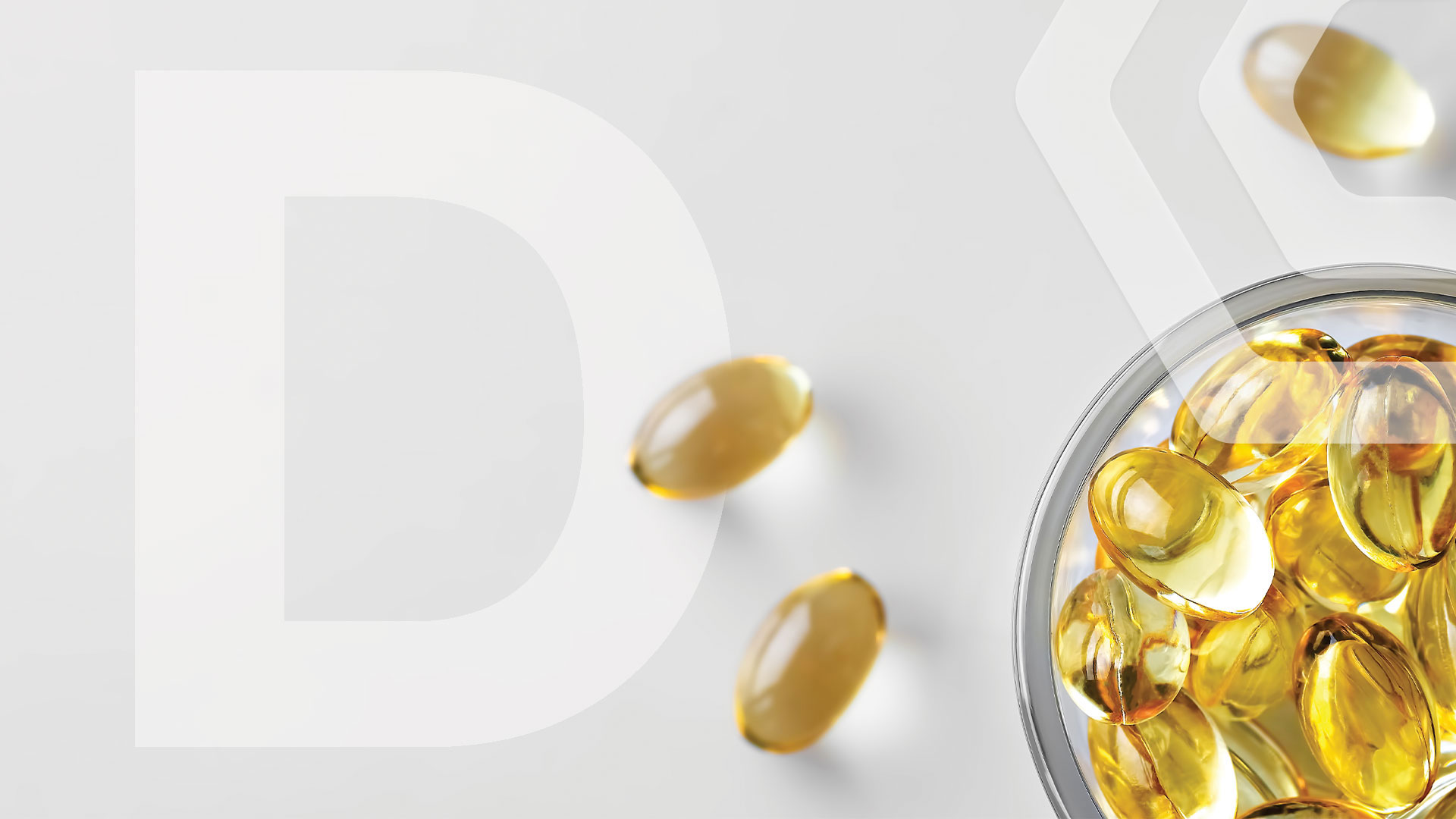
Vitamin D is an essential element for the human body. The majority of it (80%) is synthesized in the skin through the action of ultraviolet rays, while the remaining 20% comes from food. Vitamin D plays a crucial role in regulating the absorption of calcium by the intestines, which is vital for our overall health.
Vitamin D is responsible for the mineralization of the skeletal system, strengthens the immune system, and helps improve mood. Calcium, in turn, is essential not only for bone health but also for the proper functioning of muscles, including the heart muscle. There are two forms of Vitamin D that are particularly important for the human body: D3, which is produced when the skin is exposed to ultraviolet rays from the sun, and D2, which is obtained from food sources.
What Does Vitamin D Concentration Affect? • The mineralization, strength, and durability of the bone-joint system. • Various immune and autoimmune processes (including frequent illnesses). • The absorption of calcium, iron, and phosphate. • The health of hair, nails, and skin.
What Can Vitamin D Deficiency Cause? • Weight issues (such as obesity). • Fragility of the skeletal system and increased susceptibility to fractures. • Nervous system disorders. • Depression. • Frequent illnesses.
Vitamin D deficiency is particularly concerning in young children, as it can lead to growth delays, soft bones, and rickets.
What is Important? • Periodically monitoring Vitamin D levels in the blood. • Maintaining an active lifestyle. • Getting 30 minutes of sun exposure during warm seasons. • Eating a vitamin-rich diet.
Similar Posts
Anemia
Anemia is a condition in which the body experiences a deficiency of healthy red blood cells (erythrocytes) or hemoglobin.

Seasonal Allergies
An allergy is an exaggerated sensitivity to substances that are usually harmless. In this case, the immune system mistakenly recognizes generally harmless substances as harmful and starts fighting against them
Spinal and Limb Deformities
Special attention is needed for children who were in abnormal positions during pregnancy.