
ANTIBIOTIC RESISTANCE
Last updated: over 1 year ago
Antibiotic Resistance
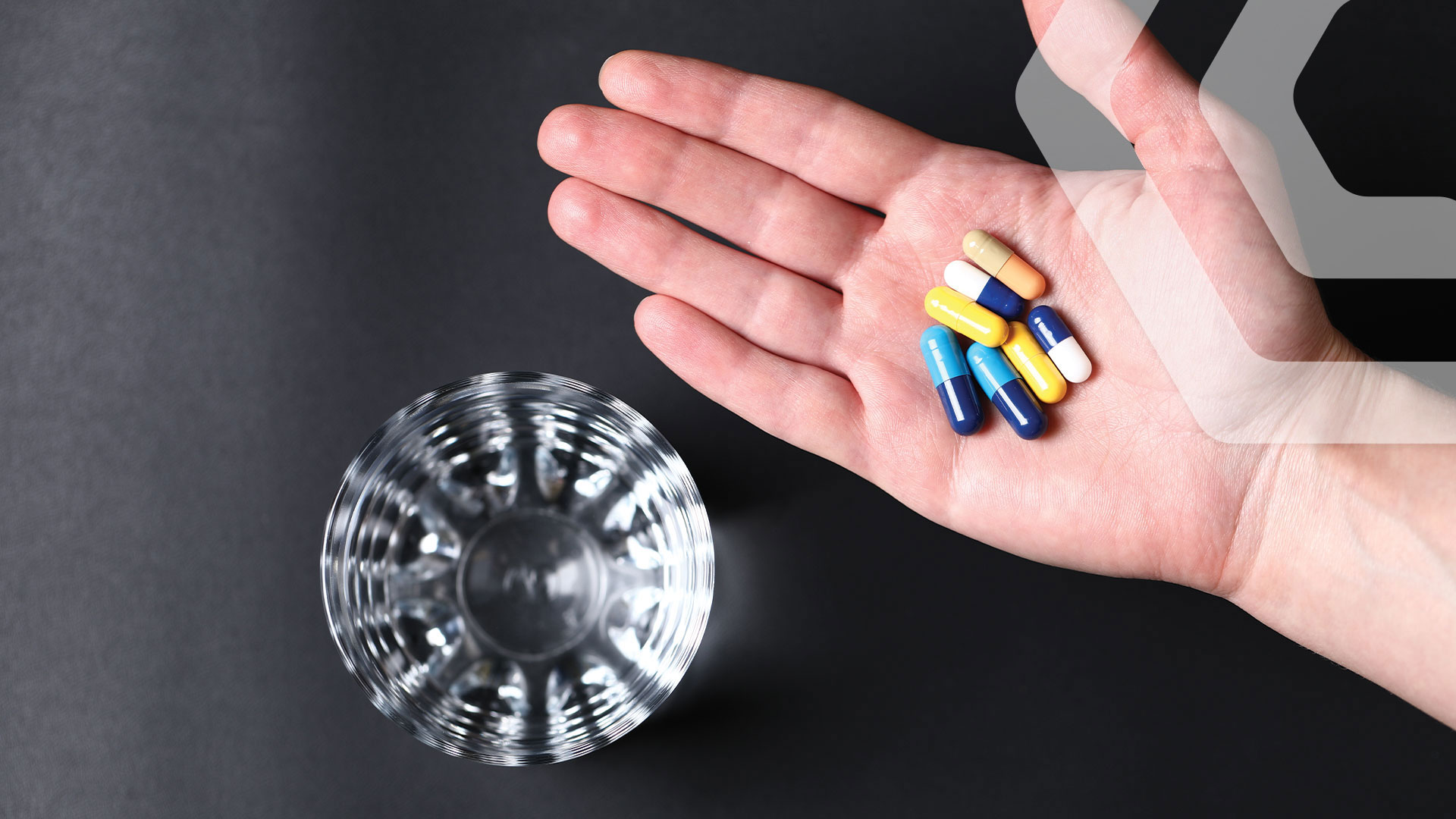
The discovery of antibiotics revolutionized human history, making many diseases that once claimed lives treatable. However, the irrational use of antibiotics has led to the spread of resistant forms of infectious agents, which could present new challenges worldwide. The development of resistance has been ongoing for years and continues to this day. In simple terms, frequent and unnecessary use of antibiotics allows bacteria to develop "defensive" mechanisms. They "become accustomed" to the antibiotic, and the medication no longer affects them, rendering treatment ineffective.
What is Needed to Stop Antibiotic Resistance? To combat antimicrobial resistance, a comprehensive approach is essential: • Patients should stop self-medicating with antibiotics. • Healthcare professionals must carefully evaluate the need for antibiotic therapy and prescribe antibiotics only when absolutely necessary. • Regulatory authorities should implement strategies for infection control and prevention, promote the rational use of antibiotics, and raise awareness.
What Can I Do? • Follow the prescribed treatment: If your doctor prescribes antibiotics, take them exactly as directed. • Do not stop prematurely: Do not stop taking the medication as soon as you feel better. This can help strengthen the bacteria. • Avoid sharing medication: Do not advise others to use the same antibiotic.
Similar Posts

Overweight
When a person consumes more calories than they burn over time, the excess fat is stored, leading to weight gain.
Vitamin D - The Happiness Hormone
Vitamin D is responsible for the mineralization of the skeletal system, strengthens the immune system, and helps improve mood.

What Impact Does Prolactin Have on Our Health?
Maintaining normal prolactin levels is essential for overall hormonal balance.